
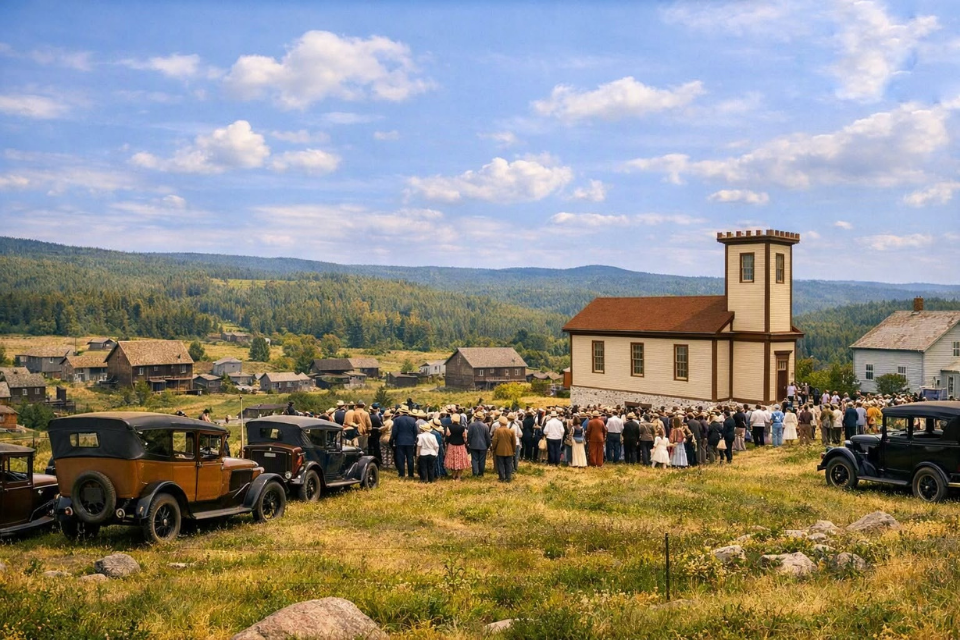
Continuing our “America at 250” series of op-eds, Kay DeMoss tells the story of a Methodist church in the Upper Peninsula that knows how to party Wesley style.
KAY DEMOSS
Michigan Conference Communications
Editor’s note: This is the seventh in a series of occasional articles on our nation’s 250th anniversary. Several voices from across the Michigan Conference will address different topics and speak to this question: “What is the Wesleyan way to be patriotic in this moment?” Read the whole series.
Methodists have a distinct way of expressing their faith. That’s why we are called METHODists, after all! As we celebrate 250 years as The United States of America, let’s visit a small town in the Keweenaw Peninsula that knows how to party.
First, let’s begin with the fact that Michigan’s Upper Peninsula is one of the most highly mineralized regions on the planet. Much of the ore was mined out by the early twentieth century. Today, no open industrial-scale mining operations operate in the Keweenaw. The largest piece of glacial float copper ever found anywhere on the globe was recovered near Hancock in 1997. It weighs 28 tons and was 95% pure copper ore. The only nickel mine in the United States operates near Marquette. The Tilden Mine near Ishpeming is still producing taconite (iron ore pellets) that Great Lakes ships deliver to steel mills.
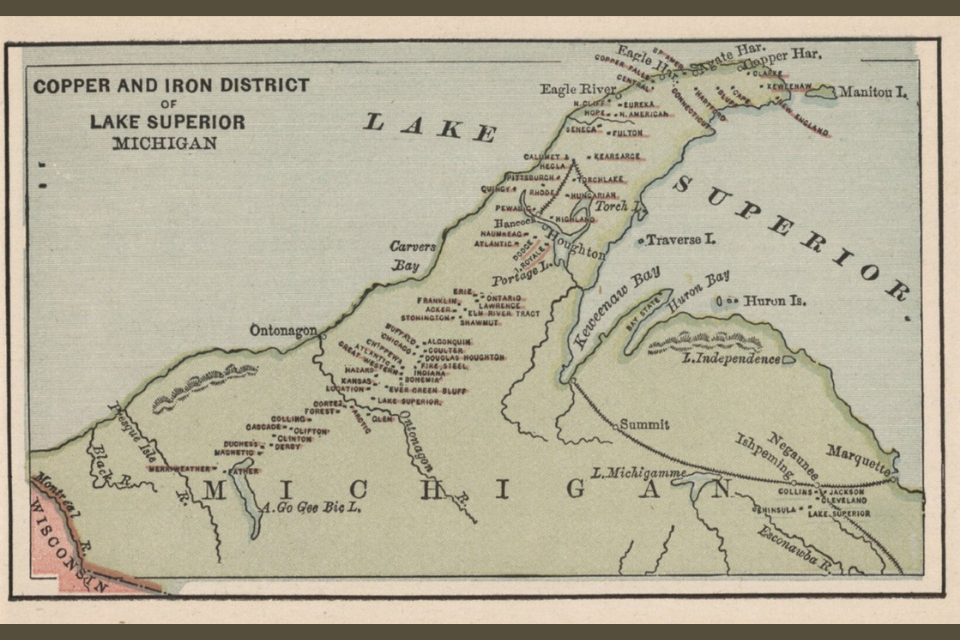
But this is not a geology lesson. So let’s move on to Mohawk, population 388. My husband, Lynn, and I visited Mohawk around the time the ginormous copper boulder was recovered. We were there with my parents, who were avid rock collectors. Part of the annual Red Metal retreat that year was the opportunity to worship at the Central Mine Church.
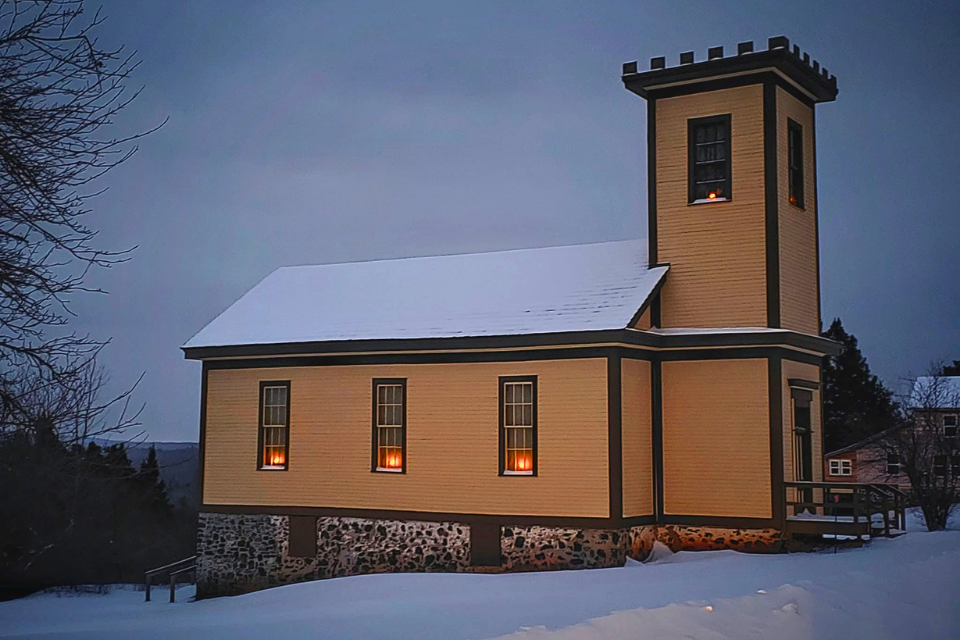
In 1854, a community called Central grew up around a copper mine. Two generations of Cornish miners and their families extracted 52 million pounds of copper from the earth there. By 1898, however, it was no longer commercially profitable to mine the copper left in the ground. During those 44 years, 1,200 residents took pride in their honest labor, their brass band, schoolhouse, and little Methodist church on the bluff. In 1909, the community officially became a ghost town when the Central post office closed. Even after the change of address to Mohawk, Central lives on. For this is a story of resurrection.
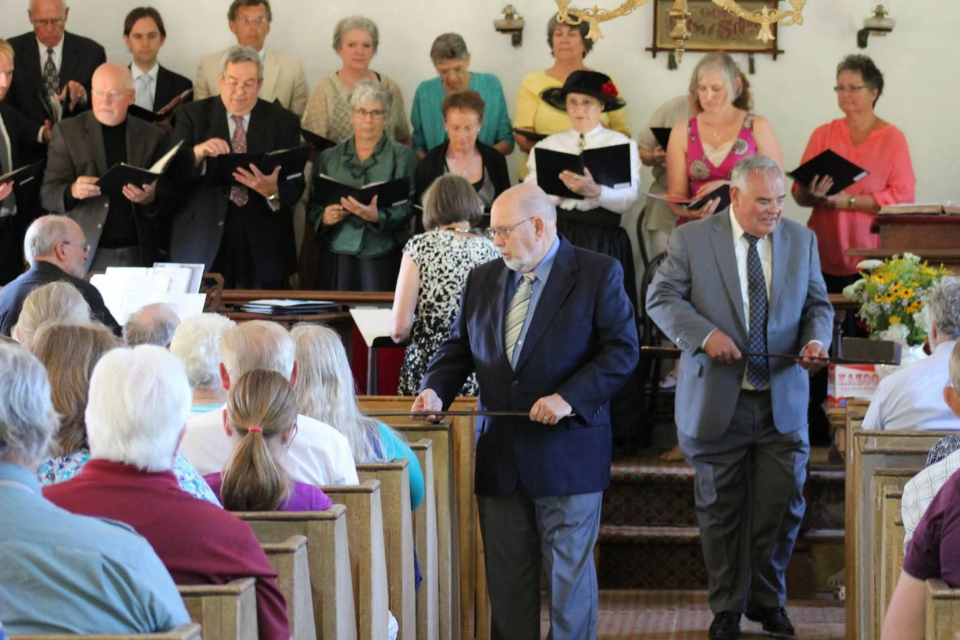
The Central Methodist Church closed in 1898, but an annual worship service and reunion have been held there every summer since 1906. For 120 years, descendants of those miners have gathered on the last Sunday in July to celebrate their shared history and heritage. Did the reunion take place in 2020 during the COVID-19 pandemic? Yes, the board members, band, and organist gathered in the church yard.
When the mine closed, Central miners used that newfangled gadget called a telephone. Today, Central Mine Reunion has a Facebook page. The COVID year of 2020 was the first time Central Mine broadcast the service live on their Facebook page. Internet came to the ghost town by bouncing the signal off of the old radar station on nearby Mt. Horace Greeley. They have made the service available online every year since with an average annual viewership of 10,000.
I love this statement posted on Facebook just before the 2026 reunion: “The little church on the bluff is as ready as she ever will be. Her old pine pews are dusted, her plank floors swept. Her windows are sparkling in the late afternoon copper country sun. Every corner of the church feels a little brighter after a year’s worth of flies and moths removed. She’s a whole lot less dusty, as she knows, and she does, that her family is coming home once again.”
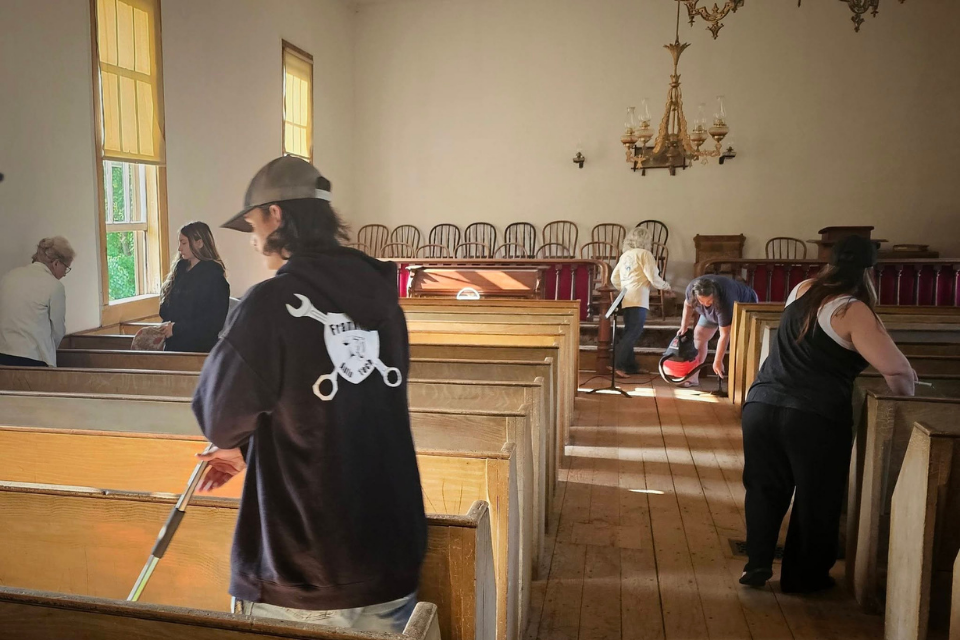
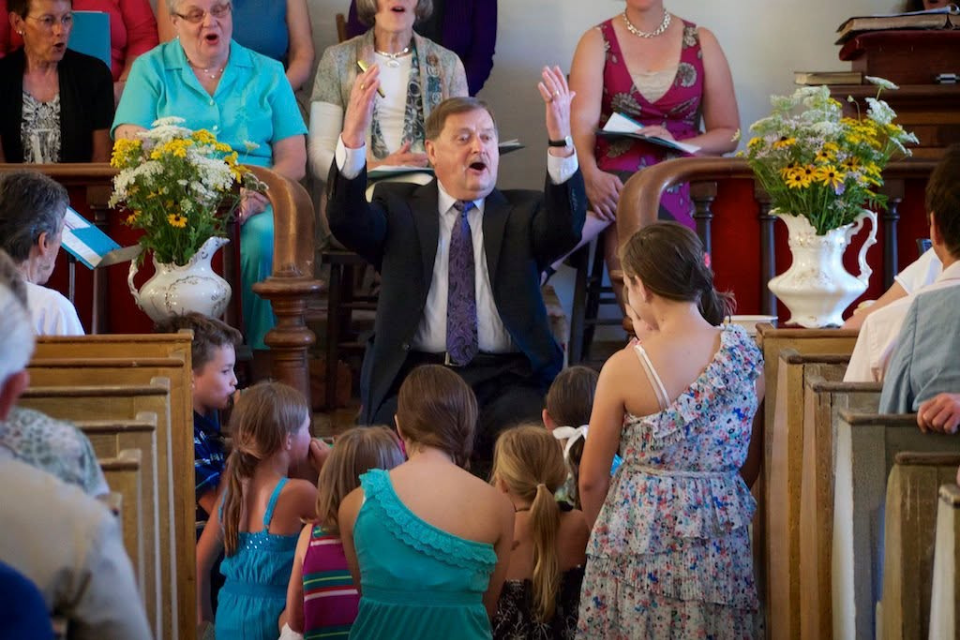
We sat in those hand-hewn, straight-backed pews for the 1998 reunion. Even for strangers such as the DeMosses and the Starbucks, it was a remarkable experience. I didn’t remember the preacher’s name until I saw it on their Facebook page. Rev. Dr. Daniel Rosemergy was in the pulpit that morning and 29 other times before his death in 2019. I recall only one thing about his message, and that’s the title of his sermon. The pastor invited all of us to “Do the Holy Pokey.” While I have long since forgotten what he said on that subject, I have three reflections of my own to share with you about doing the Holy Pokey during this 250th anniversary of our nation’s birth.
Holy Pokey Starts in the Past
Doing the Holy Pokey is about memories. Since we have already stirred a little geology into our theology, let’s pause a moment at 1 Samuel 7:6-12. After defeating the Philistines, the Israelites repent of their idolatry. At a sacred place called Mizpah, the prophet Samuel celebrates the victory and the people’s recommitment to the Lord by setting up a stone monument. Samuel names the stone Ebenezer, which means Stone of Help.
Some of us had pet rocks back in the day. Others may have built stone cairns to mark a special vacation spot. We don’t normally go around setting up large monuments like Ebenezer. However, it’s always a good idea to remember that God is our helper, too. The Holy Pokey involves remembering.
The people of Central Mine remembered how God brought them safely from England, across the ocean, to find work in a wild place called Michigan. God helped them stay safe as they went underground day after day. God helped them prosper in their new home away from home. And surely it was God who invented the pasty, meat pies taken down the shaft to provide nourishment every working day. To this day, descendants of those miners gather every year to remember their roots and praise the Lord.
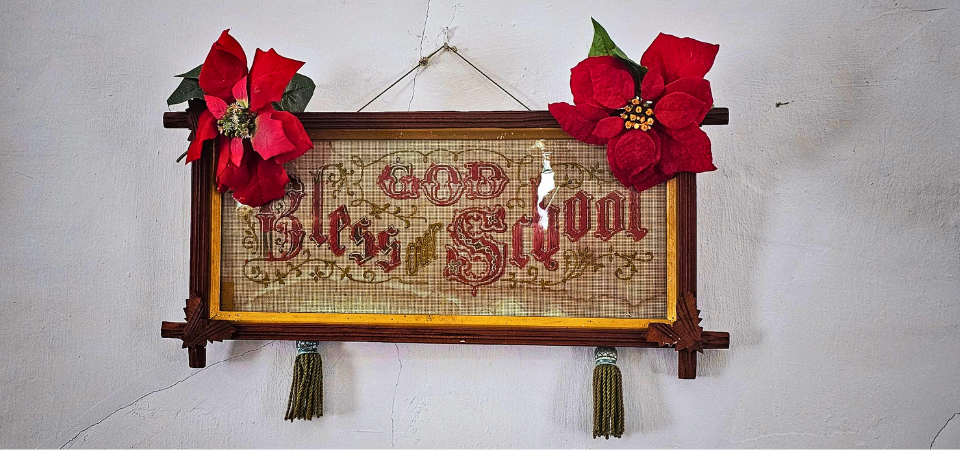
Those miners were neither the first nor the last Methodists to come to this country. The Methodist movement arrived informally in the American colonies in the 1760s through immigrant preachers and leaders such as Robert Strawbridge, Philip Embury, Barbara Heck, and Captain Thomas Webb. The first official organization in the United States was formed in Baltimore, Maryland, in 1784, when the Methodist Episcopal Church was established at the Christmas Conference, with Francis Asbury and Thomas Coke as leaders.
At the dawn of this nation, Methodists made up 2.5% of religious adherents in the new United States. By 1850, they made up 34.2%. Put another way, in 70 years, Methodists went from 1 in 40 to 1 in 3, growing from a small sect into the nation’s largest denomination. The Methodists of Central Mine were part of this frontier boom of faithfulness and social piety.
Doing the Holy Pokey means remembering these beginnings and all that has happened over the past 250 years. Too much to report here, but get a good overview in the new video series produced by our General Commission on Archives and History, Crown to Conferencing.
Holy Pokey Happens in the Present
Doing the Holy Pokey is about identity. Again, a brief detour into scripture, this time Matthew 16:13-20. After feeding a crowd of four thousand, Jesus and the disciples are waylaid by Pharisees and Sadducees. These religious insiders of that day tested and harassed Jesus, who holds his own, as usual. Then Jesus asks the disciples, “Who do you think I am?” Simon answers, “You are the Christ, the son of the living God.” That answer earns him a new name and purpose in life. “You are now Peter,” Jesus says. “And upon this rock (Peter, or Petros, means stone in Greek) I will build my church.” Doing the Holy Pokey involves who we are.
The mining families living in Central, Michigan, worshiped in the schoolhouse on the east side of the little town for 12 years before building a church in the traditional Cornish architectural style. The church became the center of social and spiritual life in the community. It served as a library, a concert hall, and a fellowship hub, in addition to being a place of prayer and praise, a place to express who they were and whose they were. The church provided a firm foundation and a home for a cultural legacy that had traveled from southern England to the U.S. Midwest.
In this twenty-first century as in the nineteenth, Methodist character is built on what John Wesley called the General Rule of Discipleship: “To witness to Jesus Christ in the world and to follow his teachings through acts of compassion, justice, worship, and devotion under the guidance of the Holy Spirit.”
Acts of Compassion — expressions of neighborly love. Acts of Justice — working in advocacy and political reform. Those Acts of Mercy have been vital to the church’s role in nation-building for all these 250 years. Acts of Devotion — Bible study, prayer, and witness. Acts of Worship – corporate praise and receiving the sacraments. Those Acts of Piety grow the spirit in ways that can transform the fabric of society for good and gospel.
Doing the Holy Pokey, with cues from the General Rule of Discipleship, shapes the identity of individuals, the families, the churches, and the nation to which they belong, hour by hour and day by day.
Holy Pokey Looks toward the Future
Finally, the Holy Pokey concerns who we can become. I have no crystal ball. None of us can predict what will happen tomorrow, let alone a year, a decade, or a century from now. That doesn’t mean we live life floating in a sea of uncertainty and fear. John Wesley’s dying words were, “The best of all is God is with us. The best of all is God is with us.” That’s the spirit of the Holy Pokey, also found in these words of a poet:
God is the one and only — I’ll wait as long as he says. Everything I hope for comes from him, so why not? He’s solid rock under my feet, breathing room for my soul, An impregnable castle. I’m set for life. My help and glory are in God — granite-strength and safe-harbor-God. So, trust him absolutely, people; lay your lives on the line for him. God is a safe place to be (Psalm 62: 1-10, The Message).
As we live through our 251st year and beyond, we wind up our courage, put our trust in God, and dance a Holy Pokey that is about hope. Those serious about taking the hope in their hearts out into the world might consider exploring two books. The first is Dr. Ashley Boggan’s Wesleyan Vile-tality, Reclaiming the Heart of Methodist Identity. The second is Social Principles of the United Methodist Church, 2025-2028.
Maybe this was a geology lesson after all. A rock named Ebenezer. Another rock named Peter. And all the little pebbles like you and me, relying on God, the solid Rock of our Salvation. Charles Wesley invites us forward: “Forth in thy name, O Lord, I go, my daily labor to pursue; thee, only thee, resolved to know in all I think or speak or do. . . . The task thy wisdom hath assigned, O let me cheerfully fulfill; in all my works thy presence find and prove thy good and perfect will.”
I like that full-throated commitment to a hope-filled future. I also like a paraphrase of Wesley’s words written by Larry LaPrise, a songwriter from Detroit. LaPrise got the copyright back in 1950, but some say the song has roots in British (possibly Cornish) and Irish folk songs: “You put your whole self in! You put your whole self out! You put your whole self in, and you shake it all about! You do the [Holy] Pokey, and you turn yourself around! That’s what it’s all about!”
Next July, the descendants and friends of Central miners will gather in that little church on the bluff near Mohawk for the 121st time. They will again give witness to the power of memories, identity, and hope. Their persistence inspires all United Methodists as we celebrate a special milestone in this nation’s history.
The publication of this article was made possible thanks to generous financial gifts from local United Methodist churches in Michigan through Ministry Shares. Thank you! Learn about the impact of Ministry Shares on mission and ministry in Michigan and around the world.
Last Updated on September 15, 2026