
In recognition of Women’s History Month, we honor the life of United Methodist Lizzie Bailey, whose legacy of justice work remains an inspiration in the Greater Detroit District and beyond.
FAITH GREEN TIMMONS
Michigan Conference Communications
“He ain’t nothing but a little boy,” Lizzie Bailey recalled thinking to herself the first time she glimpsed the Rev. Dr. Martin Luther King, Jr., at church. Her view from the pew gave her pause as she wondered what this preacher at the pulpit might have to offer. Could his youthful presence help a frustrated community persevere in such a time as this?
Aside from his mustache, the minister, who was only 5’7” tall, looked almost like a child standing before the large congregation. He and his family were new in town, having recently moved to Montgomery, Alabama. Their tiny clan arrived at a crucial juncture in the city’s history. They settled in shortly before a season of great tension, when those in the region struggled with a tenuous situation.
Rosa Parks, a 42-year-old seamstress known for her humility, showed remarkable bravery that inspired her neighbors. While sitting in the front row of the “black section” on the public bus, she refused to surrender her seat to a white man when the “white’s only” area was full. That pivotal act sparked a human rights campaign that continues to motivate activism.
Lizzie, a fellow rider, missed the bus that day. She recalled celebrating Rosa’s courage that night. She was elated over Rosa’s calm display of courage, yet was deeply concerned for her safety. “I could not believe that she had the nerve to stand up to them! I rejoiced!,” she exclaimed, “It was a new beginning, the birth of the Civil Rights Movement!”
Rev. King had recently earned a PhD in systematic theology from Boston University’s School of Theology, the oldest Methodist seminary in America. He graduated with high honors, at the top of his class, summa cum laude. However, “could he preach?” is all that 23-year-old Mrs. Bailey wanted to know, and she was doubtful. “But, when he opened his mouth to preach . . . lawd, he was powerful!” she said, reflecting on that first encounter with the civil rights leader. The year was 1955.
Dr. King’s sermon inspired the community. With a charismatic blend of academic prowess, biblical teaching, and creative writing, he affirmed their call for justice. Lizzie Bailey recalled the electric atmosphere. The congregation seemed assured that the Lord had called this recent seminary graduate to sound the clarion. “The whole church roared, ‘Hallelujah!’” said Bailey. “They were so excited by what this young man was saying: ‘We’re tired of being bullied, abused, and pushed around,’” she recalled King saying.
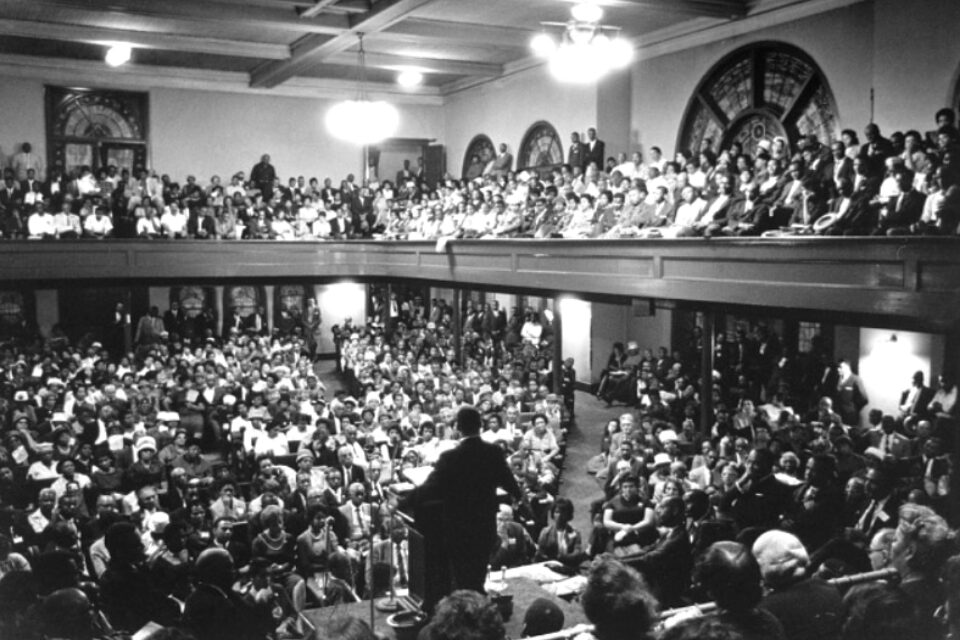
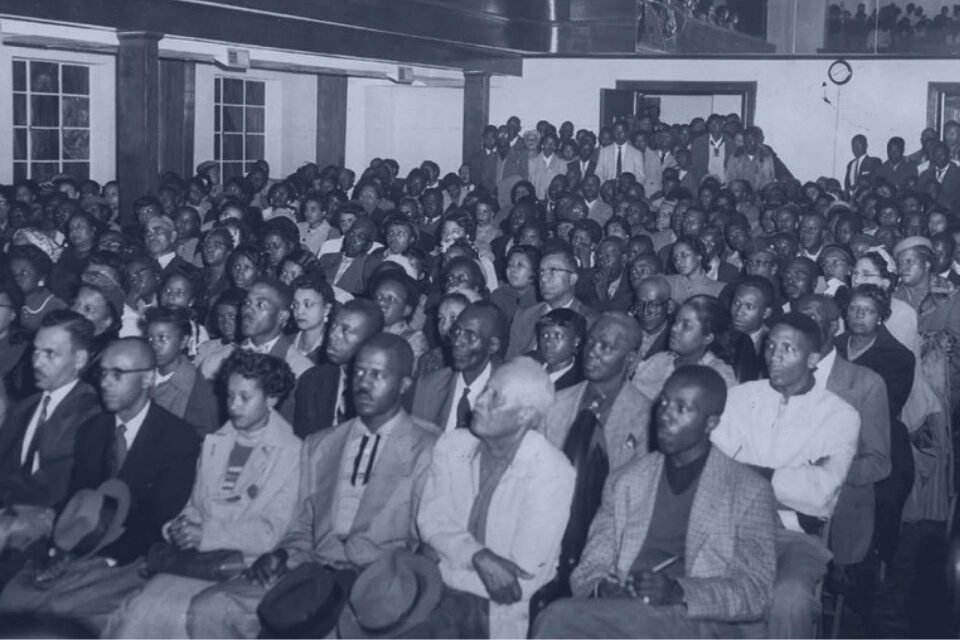
Mrs. Bailey and the worshippers who packed the sanctuary of Holt Street Baptist Church were sorely in need of spiritual guidance and encouragement. As she recalled, everyone seemed to sense that Mrs. Park’s defiance was an act of civil disobedience that had likely changed the ethos of the close-knit community forever. “We got 5,000 assembled in the church that night,” Lizzie said, “I wouldn’t have thought we’d get 500!”
In her later years, Rosa Parks was quoted as saying that boycott organizers chose Dr. King to represent their cause because, as a young adult, he was a newcomer and had no enemies in the area. It would not be long before that changed. Sentiments shifted, leading into a tumultuous season. Dr. King’s move to the South, after seminary, was timely, positioning him to address systemic inequality. The Civil Rights Movement gained momentum after Parks’ arrest on December 1, 1955.
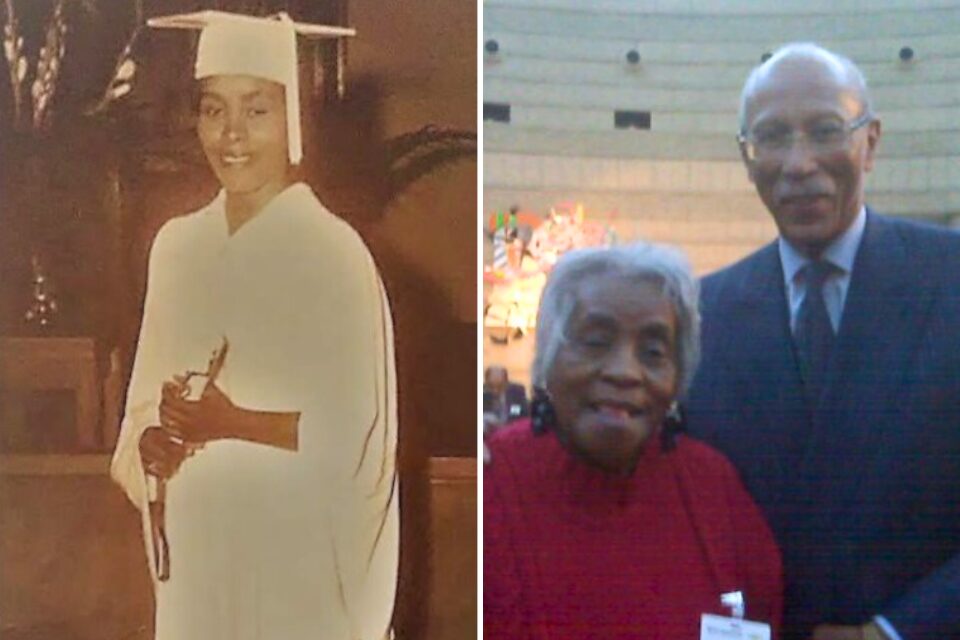
What happened that weekend furthered the fight for justice and fanned the flames that fueled the progress that followed. Lizzie’s experience in Alabama became the impetus for her civic contributions later in Detroit and her service to The United Methodist Church. She passed away about 10 years ago, leaving a legacy through an impactful district initiative that continues to this day.
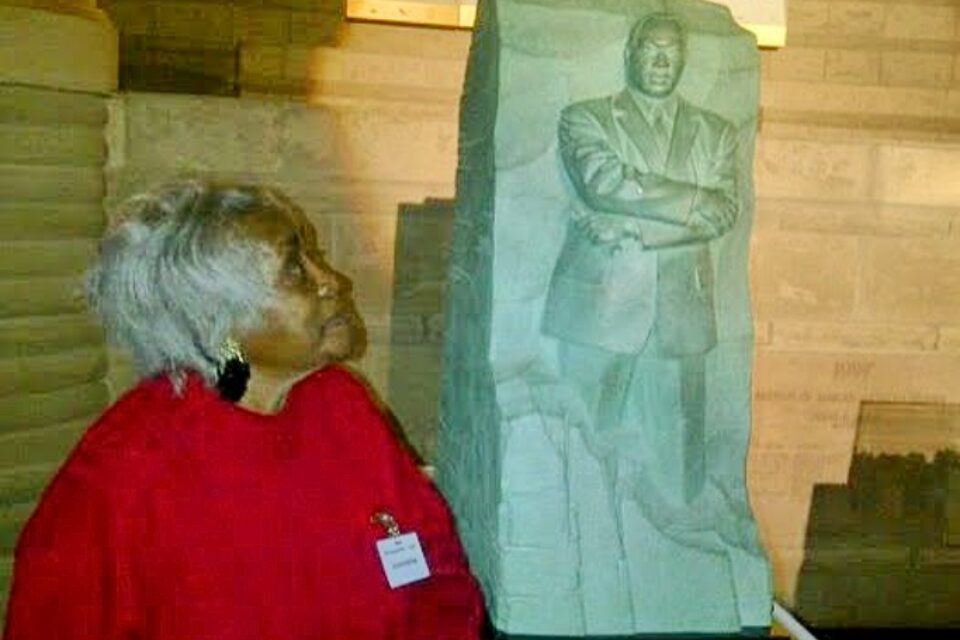
The Greater Detroit District’s MLK Jr. Memorial Scholarship Fund, which Lizzie founded, serves as her way of keeping hope alive. Funds raised are dedicated to King’s pastoral ministry and humanitarian efforts. The goal of the awards is to continue the civil rights leader’s Christian values by honoring graduating high school seniors who exemplify them. See this year’s recipients.
The Greater Detroit District MLK Committee has also presented the “Drum Major for Justice Award” for over 20 years, inspired by Rev. Dr. Martin Luther King, Jr.’s final sermons. See this year’s recipient.
The award’s title comes from King’s final address to his childhood church home, Ebenezer Baptist Church, titled “The Drum Major Instinct.” Dr. King used that message to redefine leadership as an act of service rather than a search for the spotlight. Reflecting on Jesus’ disciples, he preached that true greatness comes from being a faithful servant. Delivered two months to the day of his impending death, that sermon concluded with King’s request to be remembered simply as a “drum major for justice.”
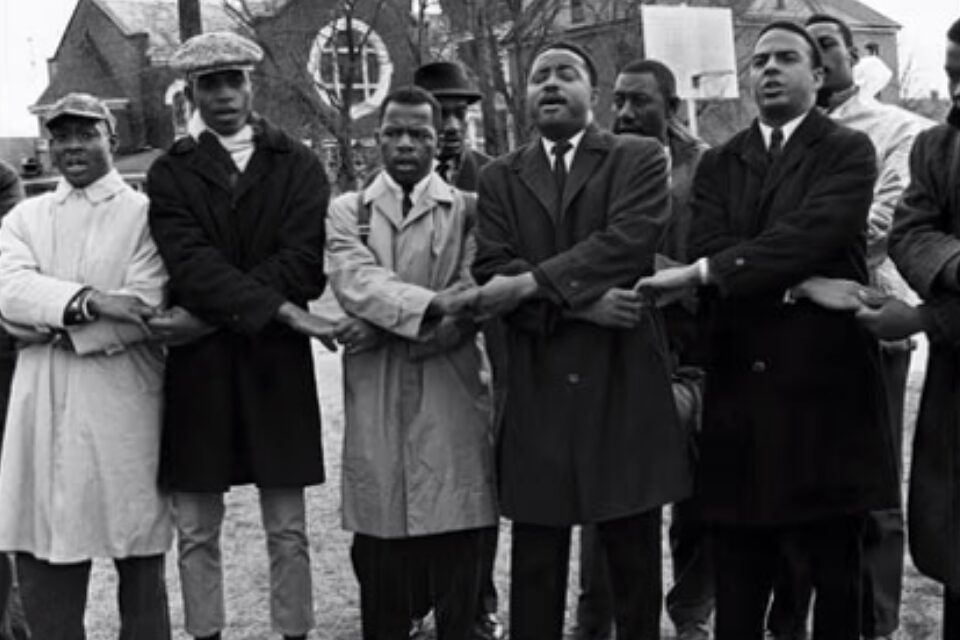
The Montgomery bus boycott began it all. A decade after that successful campaign, King and others coordinated voting rights marches from Selma to Montgomery in March 1965. Rarely emphasized is that it took three attempts for the courageous demonstrators to reach their planned destination. The first march on March 7 is often referred to as “Bloody Sunday,” due to the violent attack on roughly 600 peaceful protesters crossing the now-renowned Edmund Pettus Bridge.
Two days later, a smaller group joined Dr. King for a second try, a day that he termed “Turnaround Tuesday.” The third and final march began at the same location, Brown Chapel African Methodist Episcopal Church, which is now a national landmark.
On March 25, Dr. King triumphantly led more than 3,200 civil rights demonstrators straight to the steps of the Alabama State Capitol, concluding the 5-day journey. A few months later, on August 6, 1965, the Voting Rights Act was signed into law, prohibiting racial discrimination in voting.
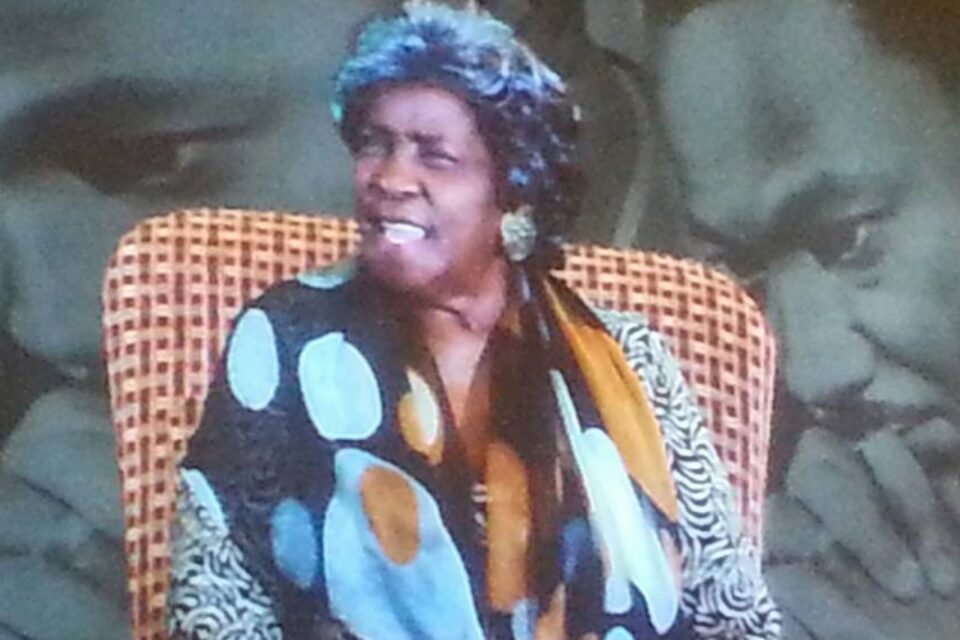
What is now a significant lesson about race relations and the fight for justice for the history books was an easy, natural retelling of her life for Lizzie Bailey. I sat with her and her husband, James, in 1993, taking notes in preparation for a Black History Month feature. To our amazement, the freelance story made the front page of “The Detroit News” local section.
Lizzie and James Bailey participated in the 1965 march to Montgomery while Lizzie was expecting their first child. James eventually insisted she finish the 5-day journey by car for her safety, and she was present when marchers reached the Alabama State Capitol.
The Baileys moved north to Michigan during the Great Migration. Together, they raised three children.
Until she died in 2016, Lizzie remained devoted to advocacy, organizing, and participating in community MLK memorial events and in the major scholarship program she developed. Her legacy of justice work remains an inspiration in the Greater Detroit District and beyond.
The publication of this article was made possible thanks to generous financial gifts from local United Methodist churches in Michigan through Ministry Shares. Thank you! Learn about the impact of Ministry Shares on mission and ministry in Michigan and around the world.
Last Updated on March 16, 2026