
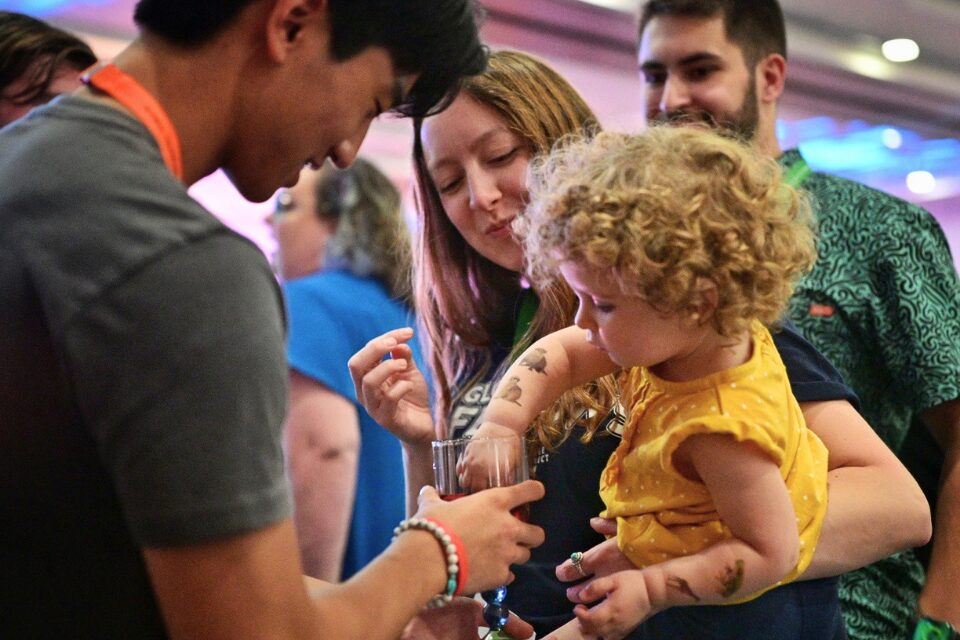
At the Global Young People’s Convocation in Dublin, Ireland, youth and young adults from Michigan bonded with other UMs and caught a vision for what God is calling the church to be.
JAMES DEATON
Content Editor
Fifteen United Methodists from Michigan traveled to Dublin, Ireland, last week for the Global Young People’s Convocation 2026, joining hundreds of youth and young adults from various conferences and 15 countries across five continents. The conference was held July 7-11, 2026.
This global gathering for young people ages 12 to 35 has been mandated by the Book of Discipline since the 2004 General Conference and is held every four years. This is the fifth GYPC, held in locations around the world. The United Methodist Church is the primary denomination represented, but the event is also open to ecumenical partners and denominations that have a relationship or partnership with The United Methodist Church.
>>In the coming weeks, reflections from other youth and young adults who attended GYPC 2026 will be published in Friday’s MIfaith e-newsletter. Watch for those stories soon. Subscribe to MIfaith today.
GYPC centers on three pillars. First, young people are the church of today and tomorrow, and they should build friendships and learn from one another. Second, young people deserve to be equipped to participate in the decision-making processes of The United Methodist Church, thereby shaping ministry at every level of our church. Third, there is value in hearing stories that are not our own, for we are better together. This underscores the importance of cross-cultural formation and the power of storytelling to break down walls that seek to separate us.
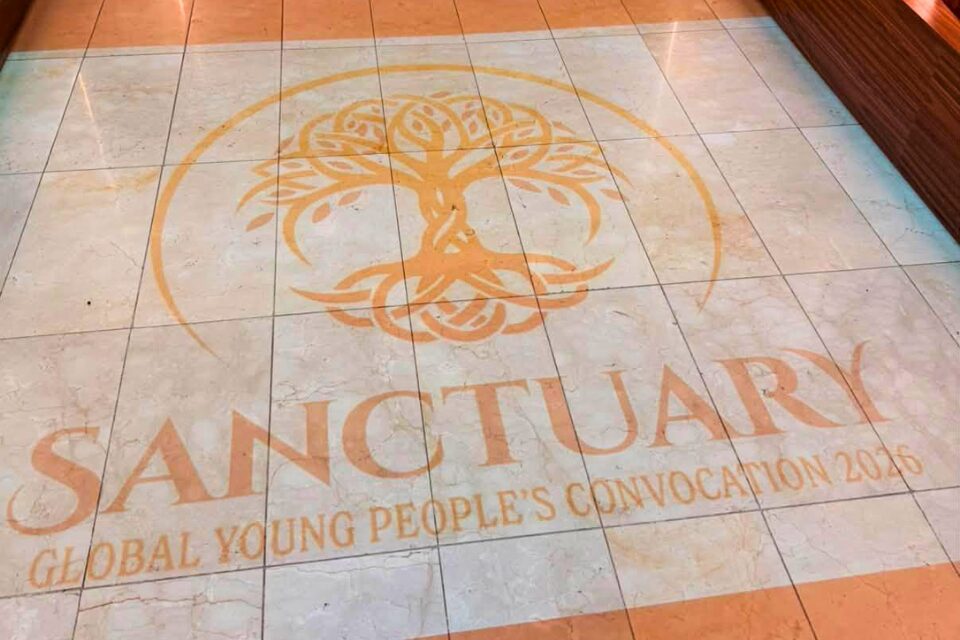
GYPC provided space for young church leaders to bond with one another, learn through workshops and worship what it means to be part of the Wesleyan faith tradition, and envision together how God calls them to take bold action in the church yet to come.
Participants attended a variety of workshops, most led by the general agencies of The United Methodist Church. Unlike previous years, GYPC 2026 did not include general conference legislative writing. Instead, it offered workshops on church polity and legislative processes, along with topical sessions, such as exploring our Social Principles, building a more equitable church through regionalization, and getting involved in the growing creation justice movement.
Church history and polity can be dry and disconnected from real-life ministry, but United Methodist leaders at GYPC kept young faith leaders engaged. And the leaders witnessed how these young adults were curious and invested in the well-being and future of the church.
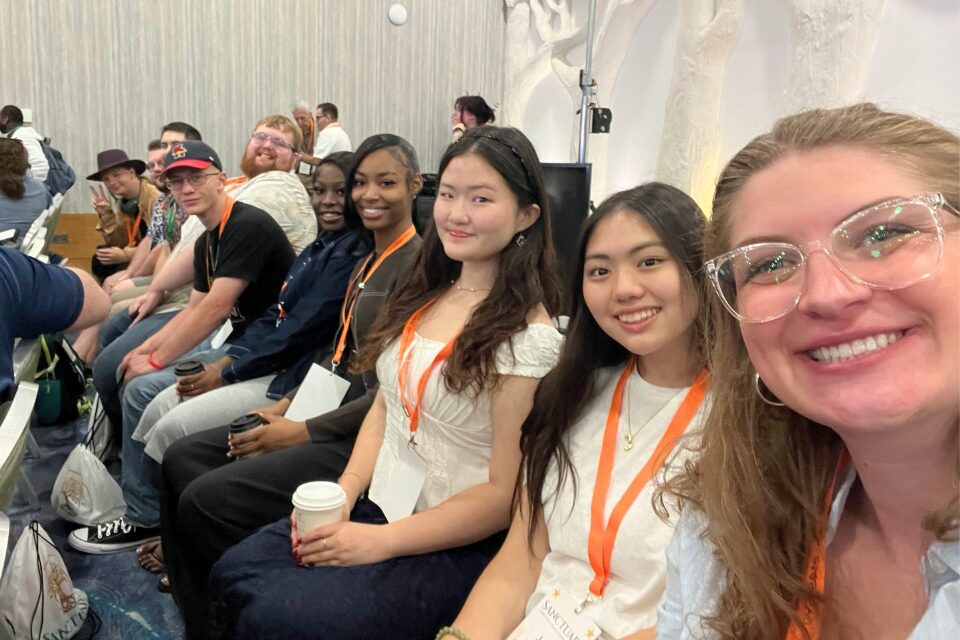
Audra Hudson Stone, one of the young adult participants in the Michigan Conference delegation, noted that participants, spanning a wide age range of 12 to 35, expressed a desire to learn more about The United Methodist Church, including its history, theology and mission, and the ways young people can be engaged.
“There were middle schoolers and high schoolers,” explained Audra. “And there were college-aged students and young professionals, all in this space together, asking genuine questions about our denomination and how we can continue building a future that is more just and inclusive. And I think a common theme I saw throughout GYPC was how we build a church that serves young people and includes young people in leadership at all levels.”
The wide age range of GYPC attendees initially concerned Jacob Stone, another participant, because the life experiences, needs, and developmental stages of attendees vary widely. He wondered how the sessions would go with such a mix.
“I was blown away by how well it went with such a large age group,” said Jacob, “and it was kind of fun, too.”
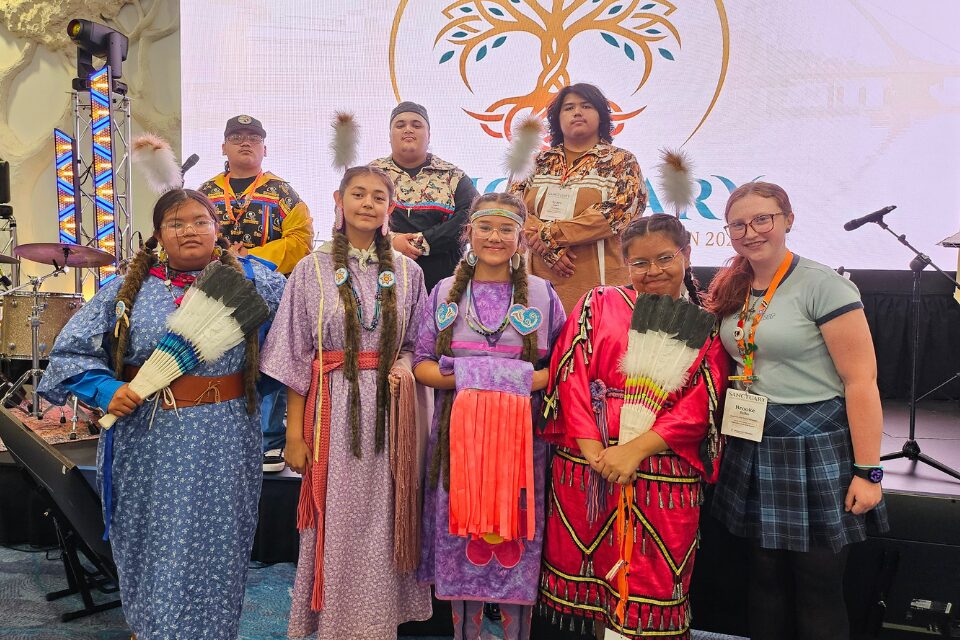
He told a story from the workshops led by four bishops. A youth from the Florida Conference who was entering seventh grade asked the bishops, “One of the phrases we hear often is that young people are the leaders of the church today and tomorrow. Do you actually believe that?” Jacob said it was fun to watch a youth boldly ask the bishops such a question, one they might not ask their local pastor, and to see the bishops handle it with grace.
“Coming from a 12-year-old,” confessed Jacob, “it wasn’t quite as malicious as if I had asked him. It was a genuine question from a 12-year-old seeking an answer. But for me, it’s the reality that, too often, young people are given lip service about their importance in the church and then told that we want more young people, yet we’re not investing in them.”
He continued, “And I think if I got anything from this conference, it would be another affirmation that young people are still here and that we are craving something new and a church that actually invests in us.”
One of the workshops led by Dr. Ashley Boggan, General Secretary of the General Commission on Archives & History, was honest about the history of young people’s involvement in the denomination. Boggan was the guest speaker at the 2026 Michigan Annual Conference.
Boggan noted that the decline in youth leadership began around 60 years ago, with the end of the Methodist Student Movement and “motive Magazine,” a cutting-edge publication run by campus ministry leaders and other young people. It often featured prophetic commentary on social issues such as women’s rights, emerging LGBTQ+ issues, and the Vietnam War.
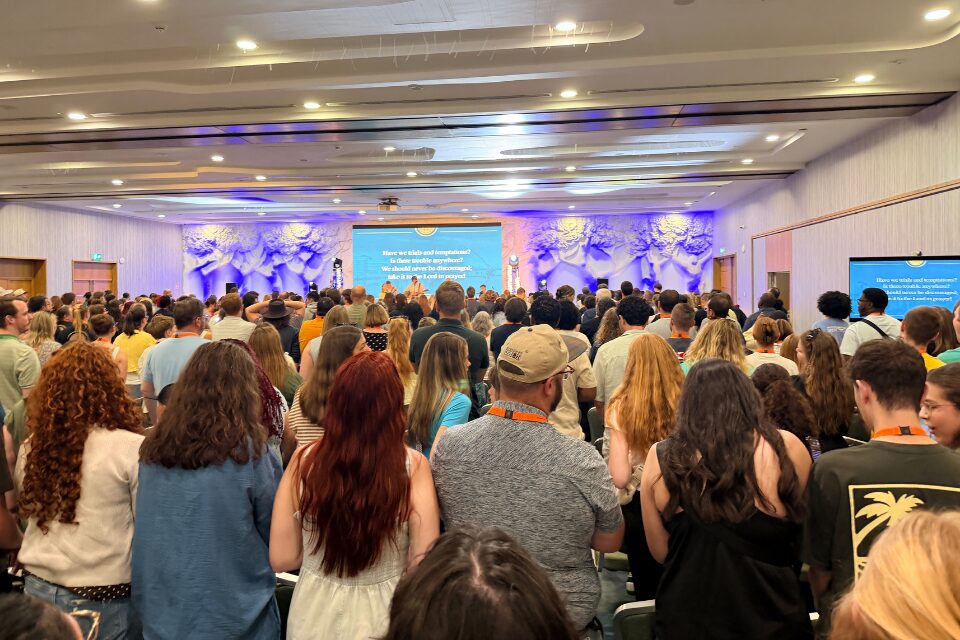
Coupled with the lament of the history of disinvestment was Dr. Boggan’s hopeful commentary. Jacob explained, “Boggan noted that every time in our history when young people have been trusted with leadership and power, they rarely disappoint, and often they’ve led to a new renewal within the church. And it starts from the very beginning. Look at John Wesley, who was 26 when the Holy Club started. Charles was 21.” History shows that the Methodist movement was founded by young adults passionate about revival, and that young people are the key to its future. GYPC 2026 hoped to stoke the fires among the 500+ youth and young adults present.
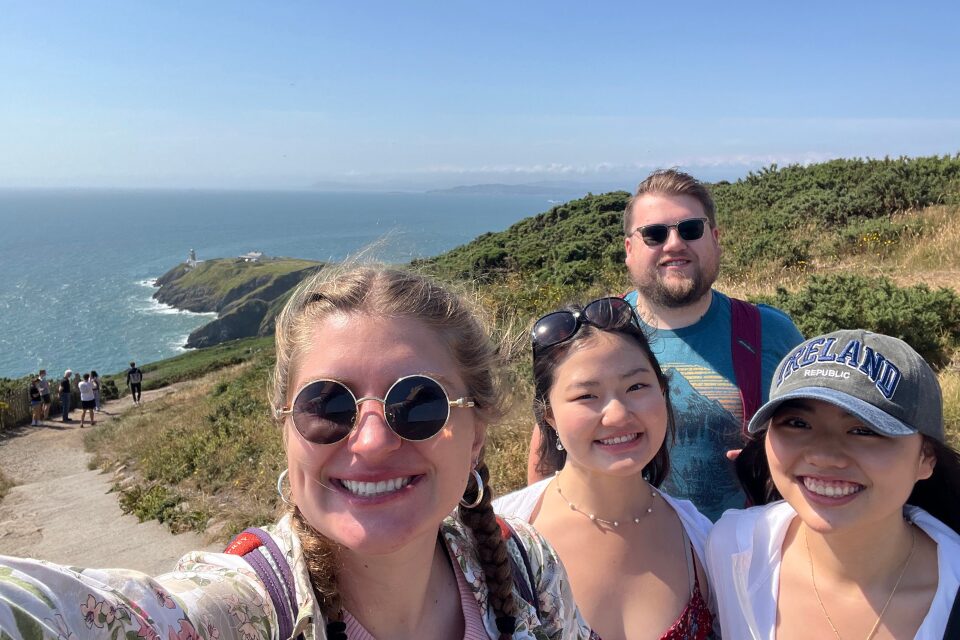
Conversations among the 15 Michigan United Methodists who attended GYPC 2026 often led to discussions about what it would look like for The United Methodist Church, at all levels, from the local church to general conference, to welcome young adults — not just to have a token seat, but to be actively incorporated into church life and to be taken seriously for their ideas.
Audra said, “What we heard over and over again from our group, and others, was, ‘I didn’t even know that existed. I didn’t know that was a thing in our church.’ Whether it was something like annual conference or not knowing they could be a delegate at general conference. So, there’s a lack of awareness in our churches that GYPC helped address, but also a lack of resources.”
She continued, “Young people want to be at the table, but we need to create access. We need to make sure that they can actively engage and that their voices are heard. Sometimes the shape of the table needs to change, too, so young people can bring their voices and suggestions for change and growth in our church. So there are things brewing in our group about how we continue to empower young people in our church in a true sense with decision-making power.”
The lack of resources remains a concern for the Michigan Conference delegation. Jacob noted the contrast between the Arkansas Conference, which fully funded 70 people to attend GYPC, and the Michigan Conference’s limited participation, which was mostly young adults. He explained that although some funding was secured through grants from the Board of Young People’s Ministries and districts, the Michiganders had to strategize collectively to cover costs. He and Audra both witnessed the value of GYPC for those who went and wondered what it would look like to invest 100% in anyone who would like to attend, no questions asked.
Investing in young faith leaders means they know the resources available to them and trust that the church believes in them, heart and soul. It also means the church, at all levels, allows young people to take risks, learn from mistakes, and faithfully follow the call God has placed on them.
Jacob and Audra are both encouraged by the fact that GYPC modeled this wholehearted spirit in many ways, allowing youth and young adults to dream big and learn how they can do more.
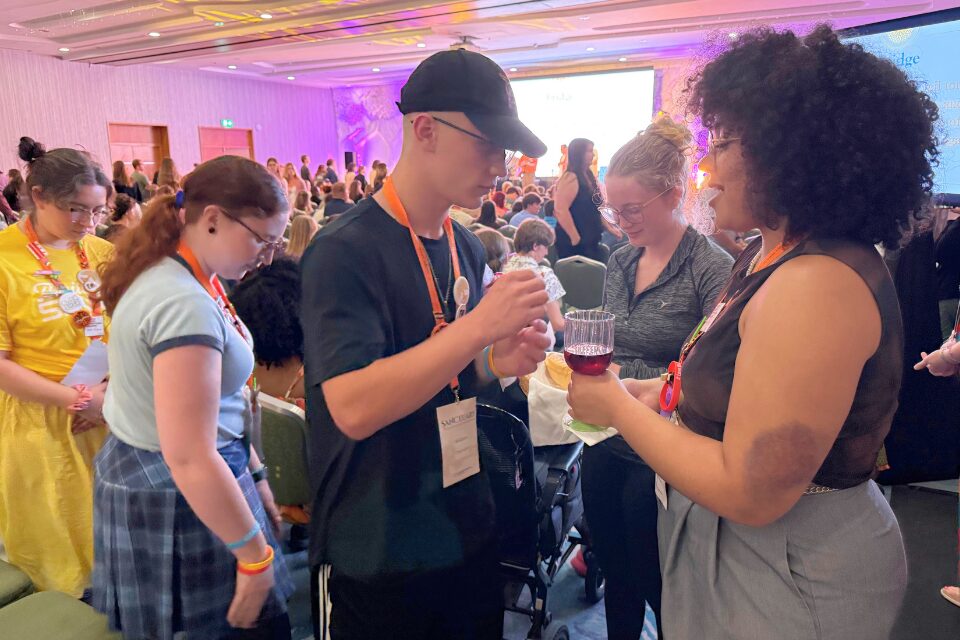
“The good news,” said Jacob, “is that young people are passionate, fired up, and ready to go. They care about a church that cares about justice, about a church that cares about a planet ravaged by our greed, about ensuring that migrants are safe and that there’s true freedom of movement within our world, and about truly living into our Christ calling to lift up the poor and the marginalized and to end the systems of injustice. That’s what keeps us up at night, and we’re ready to change that.”
Audra added, “What is truly good news is that our young people want to challenge the church to live more fully into our call to justice, mercy, and peace. True good news is not just a balm and a comfort, though it can be. It should be a balm and a comfort to those who are afflicted, marginalized, and oppressed. But good news comes with a challenge. Jesus calls us to something better, something more generative, something more life-giving for all of us, for people and planet, for all of creation. And we want to challenge the older generations of the church to come alongside us in that and to trust that we are also hearing a call to this work, to this ministry, and to take it seriously.”
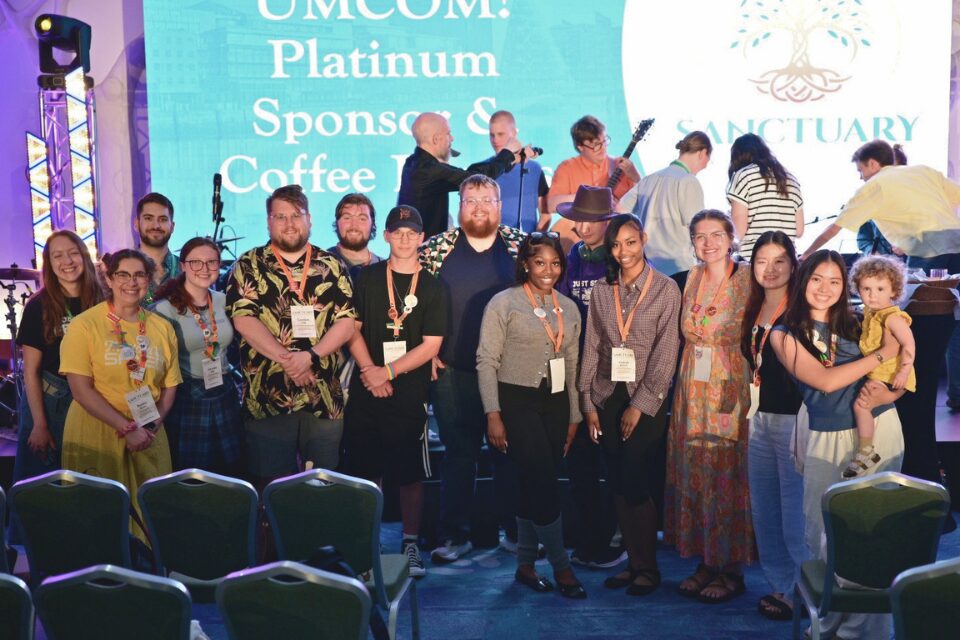
How can the Michigan Conference surround young people wholly through encouragement and investment as they develop their creative ministry ideas and turn them into reality? How can youth and young adults participate at all levels of the church without worrying about funding or whether their ideas will be taken seriously? Audra and Jacob have some ideas.
Jacob highlighted the need to send more young people to general conference as observers and delegates and to ensure that young people, not the same ones every time, are represented on every conference, district, and local church board.
Audra noted that young people have great ideas and need a hospitable space to incubate them and help them grow and blossom. She gave an example from a workshop she and Jacob led on creation justice at GYPC, where a young person received affirmation and practical ideas to craft a solution to help her community back in West Virginia address a major issue with access to drinking water. Much of the groundwater there has been polluted.
To continue the creative momentum they experienced at GYPC 2026, the Michigan delegation hopes to create cohorts of young people who will continue to meet and develop projects, not unlike the young woman from West Virginia, to be implemented in our state. The hope is that these projects will become local expressions of ministry, a glimpse of the church yet to be.
Youth and young adult attendees of GYPC received partial financial support through grants from the Board of Young People’s Ministries and district grants, made possible by generous financial gifts from local United Methodist churches in Michigan through Ministry Shares. Thank you for investing in our young people! Learn about the impact of Ministry Shares on mission and ministry in Michigan and around the world.
Last Updated on July 21, 2026