
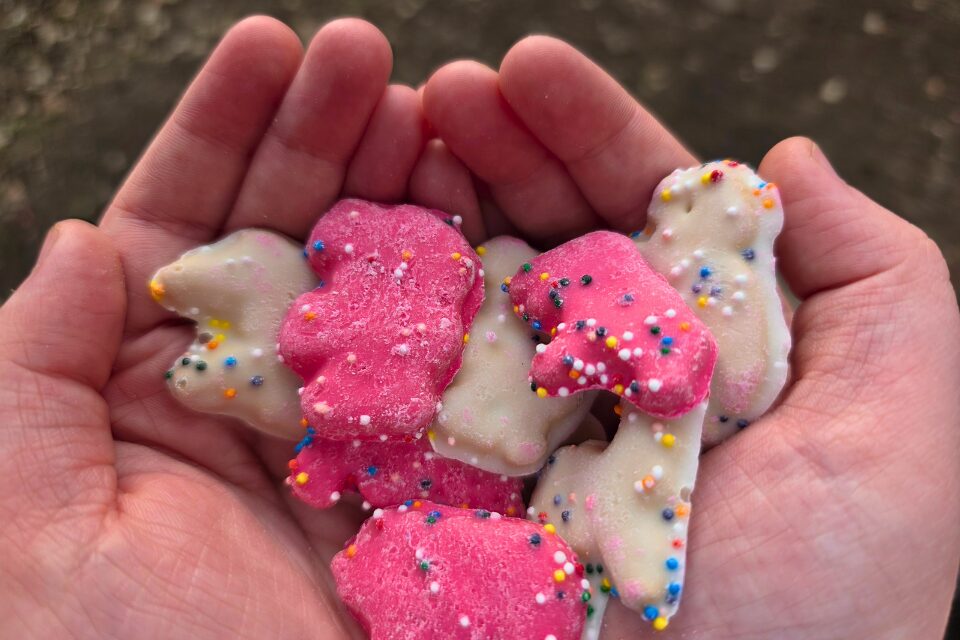
Continuing our Lenten series on United Methodist identity and beliefs, Rev. Susan Hitts reflects on our sacramental life as a rhythm of remembering and being remembered.
REV. DR. SUSAN HITTS
Manchester UMC
Editor’s note: This year, the Michigan Conference is focusing on rediscovering what sets us apart as United Methodist Christians. Conference leadership invites every local church to plan a study of Laceye Warner’s “Knowing Who We Are: The Wesleyan Way of Grace.” This book offers a clearer picture of our Wesleyan way of following Jesus. Read this article to learn more.
“Remember me.”
Even if we never say the words out loud, most of us carry that longing. We want to know that our lives matter. We want to trust that our love will outlive us. We need to know that we will not be forgotten.
When I was a preschooler, my Aunt Sally knew that she wanted to be remembered by me. Unfortunately, she knew her time was short. How could she help a three-year-old to remember her?
Aunt Sally put a bag of frosted animal crackers on the lowest shelf of her kitchen so that I could reach them myself whenever I visited her. From that moment on, whenever I saw a pink bag of those animal crackers with the white and pink frosting and sprinkles, I thought of being with my Aunt Sally. Even my children, who were born decades after Aunt Sally passed, say her name when I bring home a bag of those animal crackers.
I do not remember Aunt Sally’s voice, and I barely recognize her in a photograph. However, I know she loved me. She loved me in a way that I could experience, and in a way that outlived her. She made sure I would remember that we were connected, always.

In our life of faith, we have connecting points to Jesus called sacraments. The United Methodist Church recognizes two sacraments: Holy Communion and baptism. A sacrament is something that Jesus did and asked others to replicate within our faith community. John Wesley, one of the founders of the Methodist faith tradition, was known to call sacraments, “An outward and visible sign of an inward and spiritual grace, and a means whereby we receive that same grace.” With faith, the sacraments are one more way — a tangible way — to receive God’s grace.
Sacraments have a physical connection through everyday items that are blessed. The juice and bread are daily items that are set apart as sacred at the table of Jesus. Water is the tangible item that is blessed for baptism. Yet, because of the blessing of Jesus, the common becomes sacred, holy, and sacramental. When these common things (bread, juice, and water) are blessed, they become more than they were before. Through the blessing, Jesus is imparted. Through faith, we believe that there is a change in the item used for these sacraments. The blessed bread, juice, or water becomes both a tool for changing the person who receives that sacrament and a promise that something as common as one of us can also be changed and made holy.
At the Holy Communion table, we hear the familiar words, “do this in remembrance of me.” Like my Aunt Sally thinking about how she could share something that would bring me joy and help me remember her, I imagine Jesus delighting in the idea of instituting communion with the charge to remember him. This sacrament has been passed down for centuries. Even those who didn’t walk the earth with Jesus can still remember him.
Not only do we remember Jesus at the communion table, but we also connect with Jesus in a way that we can receive. We connect through tangible items — bread and juice. These items can fill your belly but, in some way, also fill your soul. This is part of that Holy Mystery we speak of in our communion liturgy.
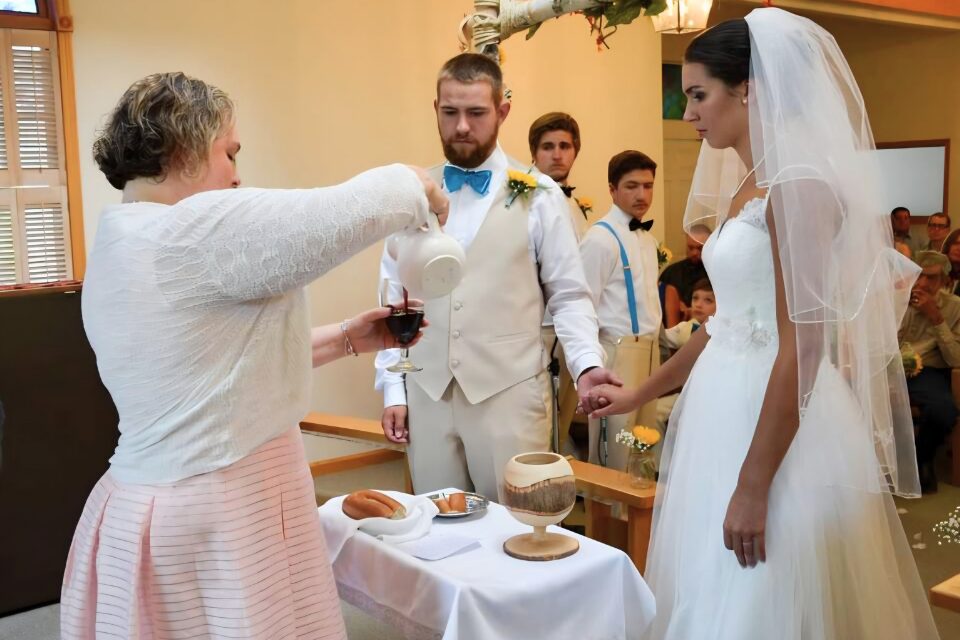
Holy Communion is a sustaining sacrament, one that we repeat many times in our lives. It strengthens us with the love of Jesus, which outlived the bounds of his earthly life. This love has been passed down from generation to generation, connecting us with Jesus and with the holy cloud of witnesses who have been at Jesus’ table throughout history. At the Holy Communion table, we remember Jesus and receive God’s grace.
In our United Methodist liturgy, we begin with an invitation to Holy Communion by saying, “Christ our Lord invites to his table all who love him, who earnestly repent of their sin and seek to live in peace with one another.” Notice that Jesus is the one inviting because the table belongs to Jesus, not to the local church or the denomination. It is every repentant person who seeks to live in peace who is invited, not just members of a specific group. The pastor may say the words of invitation, but make no mistake, the pastor is merely speaking on behalf of Jesus.
Similarly, in the sacrament of baptism, it is God who acts. This is one reason why United Methodists baptize a person only once. United Methodists believe that the work God begins at baptism, regardless of when it occurs, is ongoing.
It is God’s faithfulness that works within us long before we even realize it. In our own faith journey, we might feel something different, understand something in a new way, or see a change in our behavior or heart. This is a wonderful revelation and closely aligns with our church history, as John Wesley had a similar experience at Aldersgate, which we remember every year on Heritage Sunday.
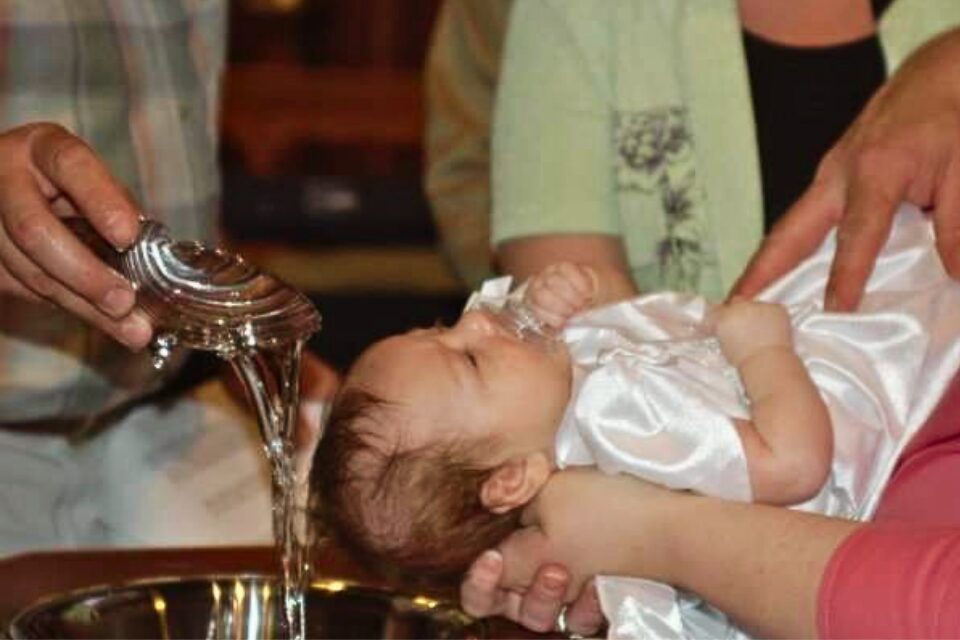
These changes in our own understanding of God at work in our lives are perfect times to remember our baptism and thank God for starting a work within us well before we even noticed. In this way, we celebrate baptism as an initiating sacrament, one that begins something that continues in beautiful ways throughout our entire lives. This honors the work of the Holy Spirit, who moves in ways that fill us with awe and gratitude. For this reason, many United Methodist churches offer yearly baptismal remembrance. The traditional words used are, “remember your baptism and be thankful.”
We are remembered by God. Even if we do not remember the water, God remembers. Even if we wander, God remembers. Even on days when faith feels thin, God remembers.
The same Holy One who asks us to remember him at the communion table continually remembers us through our baptism. In remembering Jesus, we discover something amazing; we have been remembered by Jesus all along. In the water, we are marked as beloved. In the bread and cup, we are nourished by grace that outlives the grave. The one who says “remember me” is the very one who refuses to forget us.
This is the sacramental life, a rhythm of remembering and being remembered. Jesus asks me to remember him. Jesus promises to remember me. Maybe that is what love looks like — remembering each other in a way that connects beyond the brevity of life. And maybe, sometimes, love even tastes like frosted animal crackers along the way.
The publication of this article was made possible thanks to generous financial gifts from local United Methodist churches in Michigan through Ministry Shares. Thank you! Learn about the impact of Ministry Shares on mission and ministry in Michigan and around the world.
Last Updated on April 3, 2026