
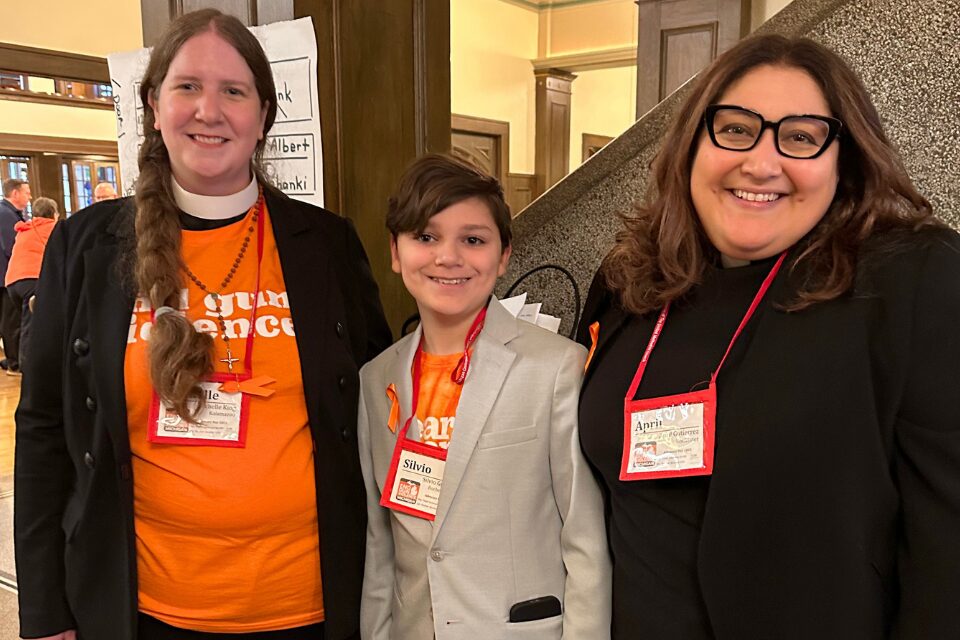
Concluding our series on United Methodist identity and beliefs, Rev. April Gutierrez writes about how the bonds and beauty of connectionalism inspire her faith as an adult convert.
REV. DR. APRIL GUTIERREZ
Co-pastor, Portage: Chapel Hill UMC
Editor’s note: This year, the Michigan Conference is focusing on rediscovering what sets us apart as United Methodist Christians. Conference leadership invites every local church to plan a study of Laceye Warner’s “Knowing Who We Are: The Wesleyan Way of Grace.” This book offers a clearer picture of our Wesleyan way of following Jesus. Read this article to learn more.
Like many others in the pews of United Methodist churches, I was not raised in The United Methodist Church. Becoming a United Methodist as an adult, I was already deeply in love with Christ, but I also considered what sets this particular denomination apart from others.
An answer that inspired me was connectionalism. I love that our churches are not doing it alone, and that we understand that coming together, we can make a bigger impact than if we acted alone. Laceye Warner, in “Knowing Who We Are,” says, “Through our connection of conferences and organizations we participate in worldwide witness to the gospel of Jesus Christ” (p. 70). I have three specific examples from the Michigan Conference to illustrate our connectionalism and our shared mission and ministry: Advocacy Day, confirmation, and disaster relief.
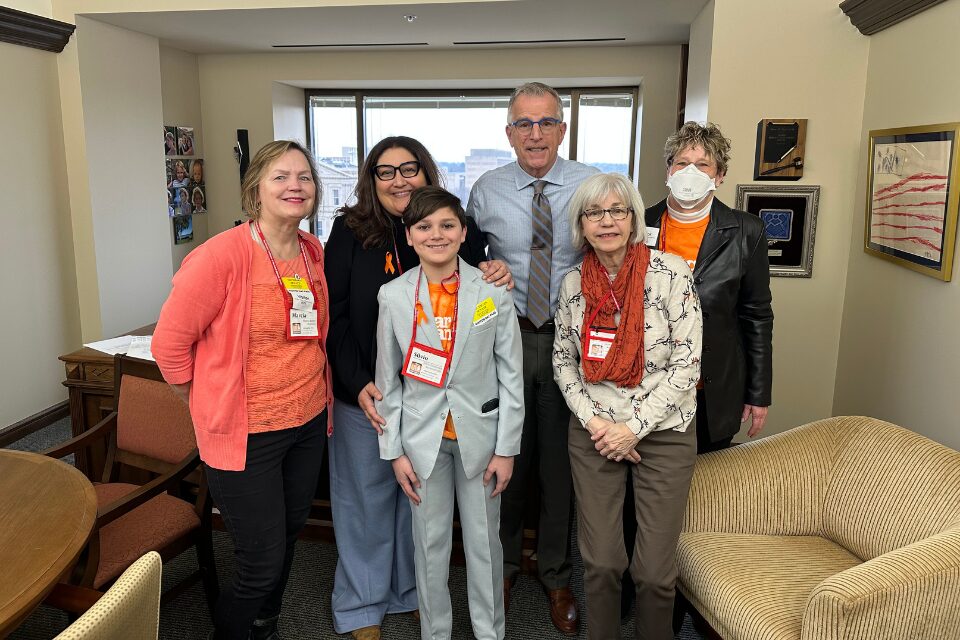
The Michigan Conference’s first Advocacy Day in 2023 focused on three common-sense policies to increase gun safety in Michigan. Churches throughout the conference came together to learn about the issues, prepare to speak with elected officials, and meet for a daylong experience of worship, prayer, and advocacy in our state’s capital. Our time together was inspiring because of the preparation that offered education, ministry, and direct action as a group.
More than three hundred people, including my oldest child, who was in middle school at the time, came together on March 22, 2023. Silvia was invited to pray during our worship service and to prepare the words she’d offer to our representative. Although our representative stated in our morning meeting that he did not support the three bills we were discussing, later we sat in the gallery and watched him vote in favor of all three!
Because of this incredible experience of engaging in worship and action, my child now sits on the Advocacy Day Steering Committee and will join other Michigan youth this summer in Washington, D.C., to expand her learning and involvement. (Read about this trip and consider sending your youth. Spots are still available.) I love being part of a church that empowers youth voices and prepares them to be informed citizens and faithful leaders in the church and beyond.
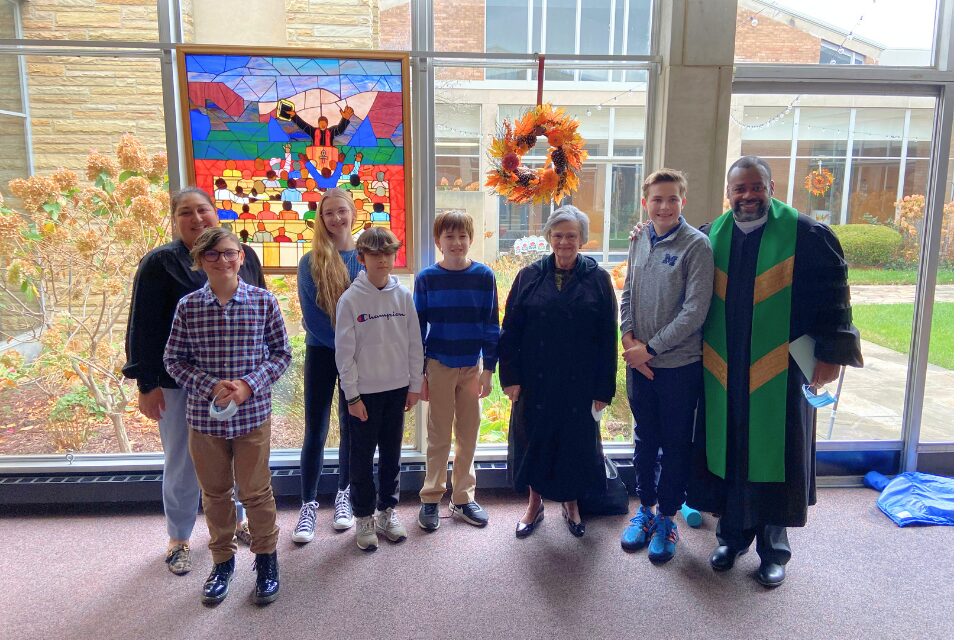
The second example of connectionalism is the experience of confirmation within The United Methodist Church. I have prepared youth to discern the next step in their faith and done so in community. The formation provided has included church leaders, mentors who support them and offer insight into their personal questions, and experiences of service and worship in multiple settings.
While serving in the Greater Detroit District, we offered opportunities for youth confirmands to worship at Southfield: Hope UMC, where Rev. Dr. Kevin Smalls is the senior pastor. Rev. Smalls and I co-convened the Michigan Conference’s Anti-Bias/Anti-Racism (ABAR) Working Group. We also held a retreat for the youth at Detroit: Central UMC.
We crafted these experiences so youth could see and witness the ministry of deacons, worship in various United Methodist churches, and explore the many ministry offerings in the connection. We created care packages for Cass Community Social Services, learned about Noah at Central’s lunch program, and discussed what it means to advocate for our refugee neighbors. Both Cass and Noah are among our EngageMI ministry partners here in Michigan.
Now that I am in the Greater Southwest District, youth in our church serve with Appalachia Service Project alongside other churches in the greater Kalamazoo area and also connect during confirmation retreats. They love learning together.
One of the most humbling experiences of connectionalism was receiving support after my home was hit by a tornado in 2024. After the Storm, the Michigan Conference’s disaster recovery ministry and our congregation, Portage: Chapel Hill UMC, helped us remove more than a dozen trees that had fallen in our yard. We also connected others in our neighborhood and community with resources through After the Storm.
There are so many ways I love serving in my local church: creating deeper connections, fostering a greater sense of belonging as disciples, and helping others see how our coming together within the broader connectional Methodist relationships can make a difference in the lives of many in Michigan and beyond.
The publication of this article was made possible thanks to generous financial gifts from local United Methodist churches in Michigan through Ministry Shares. Thank you! Learn about the impact of Ministry Shares on mission and ministry in Michigan and around the world.
Last Updated on April 23, 2026