
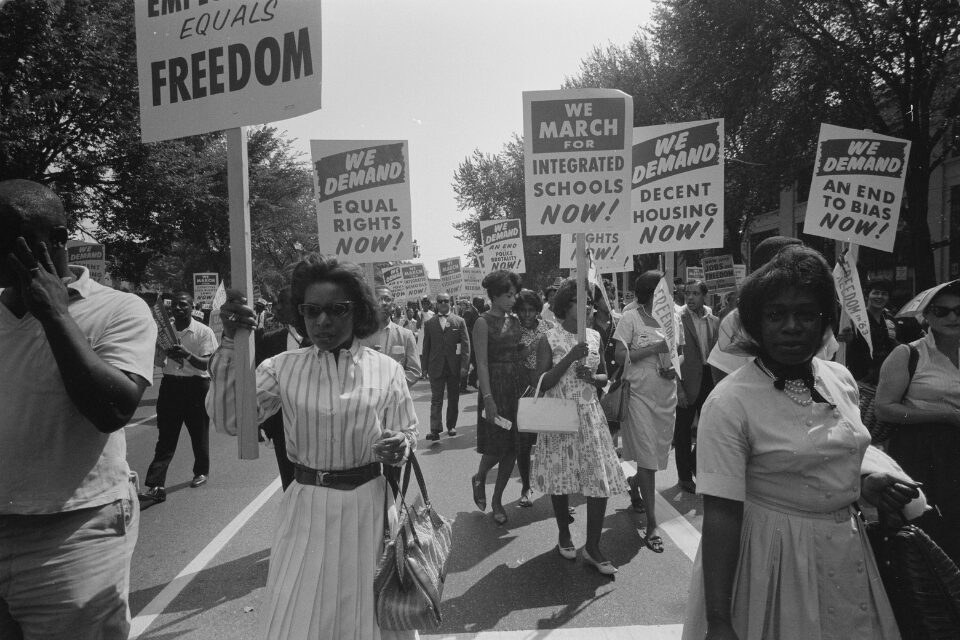
In honor of Black History Month, we celebrate the life of United Methodist James Bailey, whose quiet dedication to caring for the feet of those marching for freedom during the Civil Rights Movement made a significant impact despite receiving little recognition.
FAITH GREEN TIMMONS
Michigan Conference Communications
A common image of mid-twentieth-century Montgomery, Alabama, is of people walking. The city stood at the center of the Civil Rights Movement and served as the Confederacy’s first capital. From the mid-1950s through the late 1960s, the town’s Black residents courageously fought injustice with their feet rather than their fists.
In the 1950s, Black residents boycotted the segregated bus system. They walked, pedaled bikes, and organized carpools — anything to make it clear they would no longer bow to laws relegating them to the backseat, literally or figuratively. The success of that hard-won rally for integration emboldened civil rights leaders, including Rev. Dr. Martin Luther King, Jr., to lead a carefully planned campaign for access to the ballot box. A decade after the 13-month Montgomery bus boycott, citizens of color were well prepared for nonviolent demonstrations.
Their previous practice — coordinating routes and maintaining the discipline required to walk miles — prepared them for a much larger undertaking in 1965: a mass 54-mile march from Selma to Montgomery, Alabama’s state capital.
Proverbs 4:26–27 reads: “Give careful thought to the paths for your feet and be steadfast in all your ways. Do not turn to the right or the left; keep your foot from evil” (NIV). Spiritual encouragement was the stabilizing force behind this entire human rights campaign, an undertaking that ultimately required three attempts to triumph over deadly, unjust treatment.
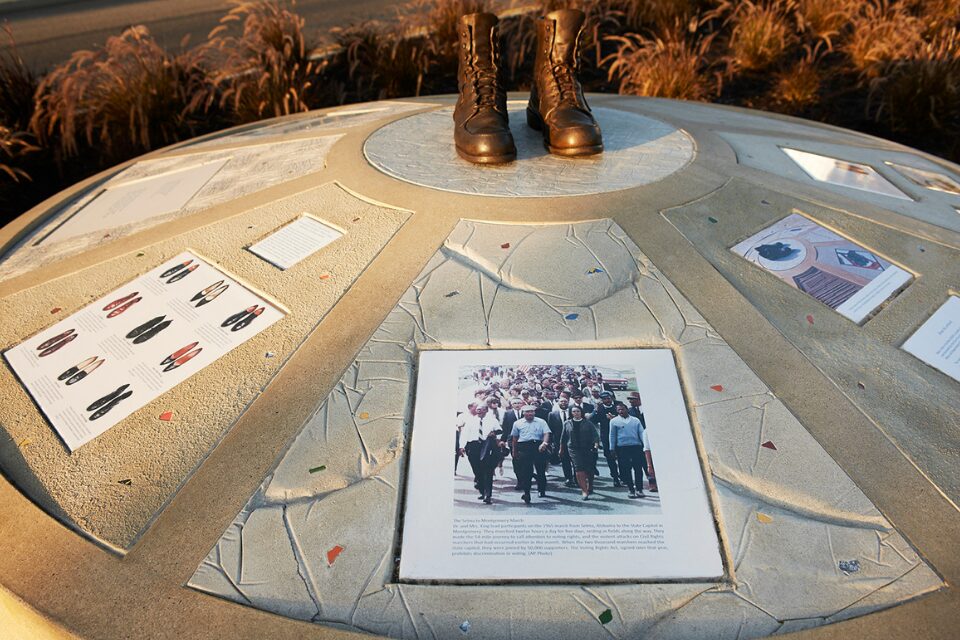
Many do not realize that it took several historic marches to finally walk the full length of this five-day journey freely. Reaching Montgomery demanded more than courage over fear; it required endurance and the support of many devoted supporters, inspiring hope.
Among those unsung heroes was a shoemender named James Bailey II. Mr. and Mrs. James and Lizzie Bailey eventually moved to Michigan. Earlier in their lives, however, Mr. Bailey owned a shoe repair shop. His attention to detail and Lizzie’s dedication to the cause complemented one another, and together they were committed to the Civil Rights Movement.
James’ trade skills helped pave the way for what would become a long, tumultuous journey. Just as Dr. King sought to uplift the marchers’ souls, James dedicated time and resources to caring for the tattered soles of their shoes. He wanted to ensure that their feet did not fail because their footwear fell apart. Often, he did so free of charge. Hearing this story brought to mind a fitting description of his charity: “The Civil Rights Cobbler.”
Bailey’s dedication and availability were vital. Many protesters had only one pair of shoes. Walking miles for days in poor conditions, over hot pavement and rough roads, quickly wore them down. Bailey ensured timely repairs.
Bailey’s shoe shop shared space with a barber named Raymond Parks. The two men worked side by side as a cobbler and a coiffeur, completely unaware that Raymond’s wife, Mrs. Rosa Parks, would one day be remembered as the “mother of the Civil Rights Movement.”
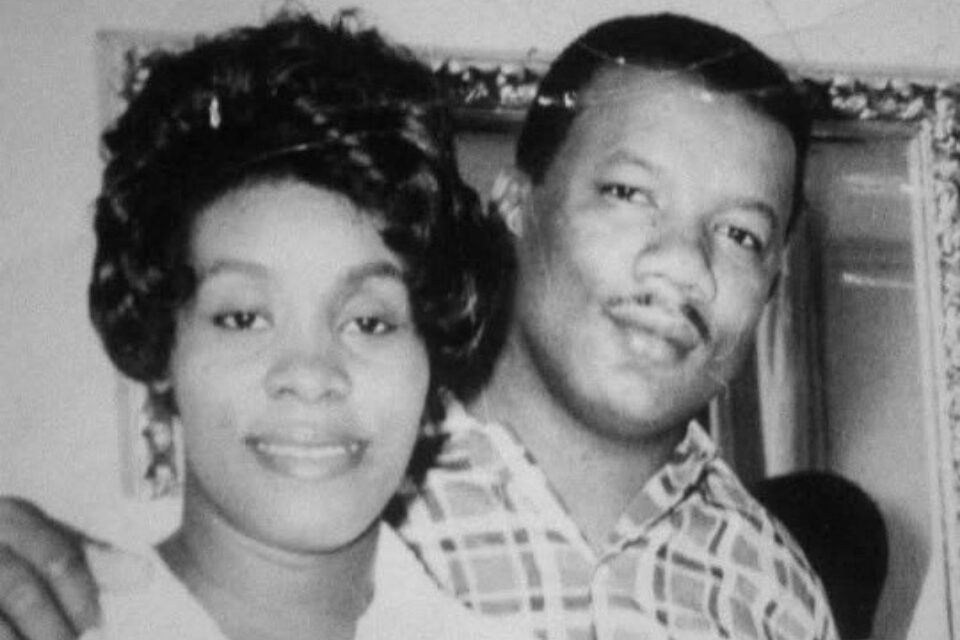
Bailey’s quiet support in maintaining footgear was crucial, helping protesters succeed and fostering appreciation for the unseen efforts of social justice. He did not march, but his role mattered greatly to those who did. His quiet dedication and sacrifice, along with those of his spouse, were evident despite threats and intimidation. The Baileys’ legacy serves as a reminder of the appreciation due to the many unseen supporters of social justice efforts.
That first Selma march, known as “Bloody Sunday,” met brutal police violence, shocking the nation and fueling the movement’s urgency.
Two days later, a smaller group tried to march with Dr. King again — an event he later termed “Turnaround Tuesday.” The third and final attempt began, as the others had, with prayer at the same place of worship: Brown Chapel African Methodist Episcopal Church. This time, approximately 3,200 demonstrators completed the five-and-a-half-day march to the Alabama State Capitol.
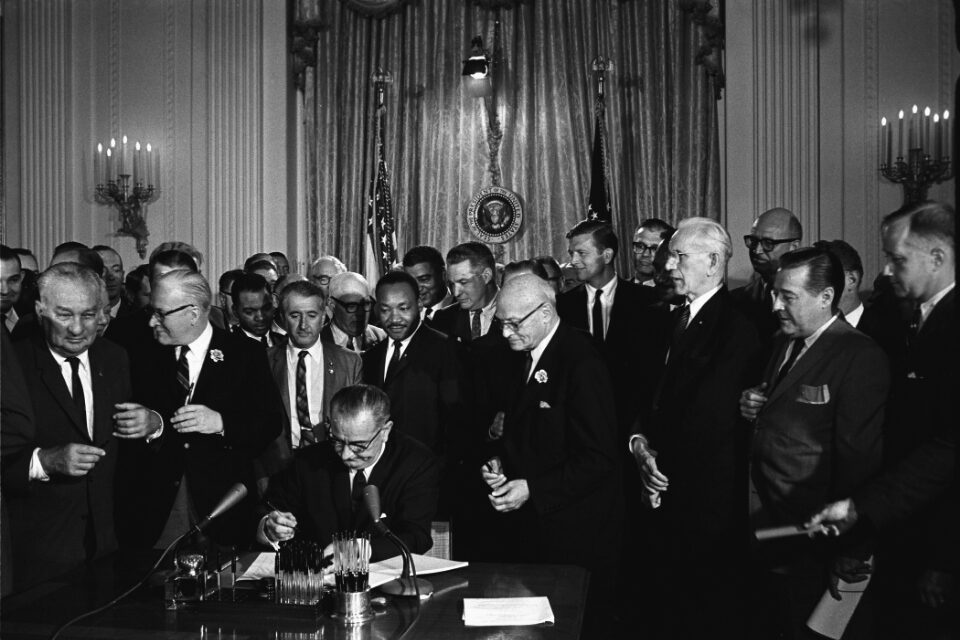
As a result, within months, President Lyndon Johnson signed the Voting Rights Act into law. Those demonstrations dismantled discriminatory barriers and ensured legal access to polling places for all Americans, regardless of race. Their tremendous efforts proved more than symbolic; they traversed a grueling 54-mile route to secure a nationwide voting victory! Undeterred by high heat, harsh terrain, or busted boots and blistered feet, they marched on, thanks in no small part to Bailey’s care and concern.
Mrs. Bailey took part in those demonstrations, sometimes to her husband’s consternation. While pregnant with their first child, 33-year-old Lizzie wanted to join the nearly weeklong Selma-to-Montgomery march. James relished behind-the-scenes roles. That day, Lizzie’s husband, who took pride in shoe repair, seemed to dig in his heels and put his foot down! For her protection, he asked Lizzie to stay home rather than attend the demonstration. That evening, when he came home from work, his determined wife was gone, evidently intending to march. Concerned for her health and their unborn child, he drove along the demonstration route to find and bring her home. The family’s safety outweighed everything else. For a few miles, however, Lizzie participated in one of the most famous marches in U.S. history.
Her experiences with Dr. King were the impetus for her establishing the Greater Detroit District’s MLK Memorial Scholarship Fund and Celebration decades ago. I had the honor of sitting down with the Baileys in preparation for a feature in “The Detroit News” in the mid-1990s. Their personal experiences were so captivating that the story about Lizzie’s civic engagement made the front page of the newspaper.
During our visit, James spoke enthusiastically about his wife’s involvement, making little or no mention of his own. Reflecting on those captivating recollections prompted a search for additional commemorative details for this year’s Black History Month celebration.
It’s now been over 60 years since the seminal accomplishments of people like the Baileys left an indelible mark on this nation. The legacy of the major movement that began in Montgomery was shaped by the Baileys’ commitment to justice and their service in the Michigan Conference of The United Methodist Church. They moved here to raise their three children — Jamele, Pam, and James Bailey III. Here, James continued to serve as a church usher and a helper in the kitchen ministry. As was his preference, he stayed busy behind the scenes, rarely speaking publicly about his highly active role in this historic movement. His son, James III, revealed that a popular African-American publication, “Jet,” highlighted his father’s civil rights contributions in its national weekly.
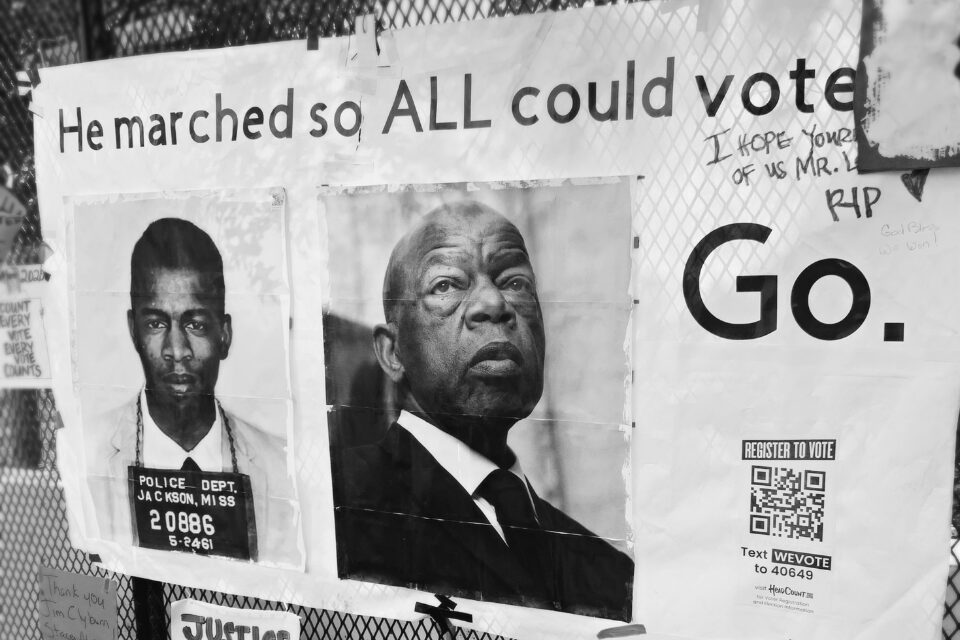
Photo of a poster on a metal fence featuring photos of young and older versions of John Lewis, encouraging boldness in marching for civil rights. As a young man, U.S. Rep. John Lewis, who passed away in 2020, was deeply involved in the Civil Rights Movement. In 1965, he led the first of three marches from Selma to Montgomery across the Edmund Pettus Bridge, where state troopers and police attacked Lewis and the other marchers. This violent incident became known as “Bloody Sunday.” ~ image by T. S. from Pexels
The Baileys, both now deceased, lived and worked among historic civil rights icons. With the work of his hands, Mr. Bailey blessed people’s feet — quite literally — enabling them to stand sure-footed and strong as they marched for their rights. He died in 2004. Mrs. Bailey lived another 12 years and died in 2016. As a couple, they contributed to the cause of justice in their own unique ways.
May their legacy serve as a reminder that major movements are not sustained by speeches and marches alone. They rely on the strong support of ordinary people effectively exercising their faith and their feet as they worked together in pursuit of equality and justice. Some were preachers and ministers; others were marchers or bus boycotters. Thankfully, at least one man quietly fixed the shoes that kept their feet moving forward.
The publication of this article was made possible thanks to generous financial gifts from local United Methodist churches in Michigan through Ministry Shares. Thank you! Learn about the impact of Ministry Shares on mission and ministry in Michigan and around the world.
Last Updated on March 4, 2026