
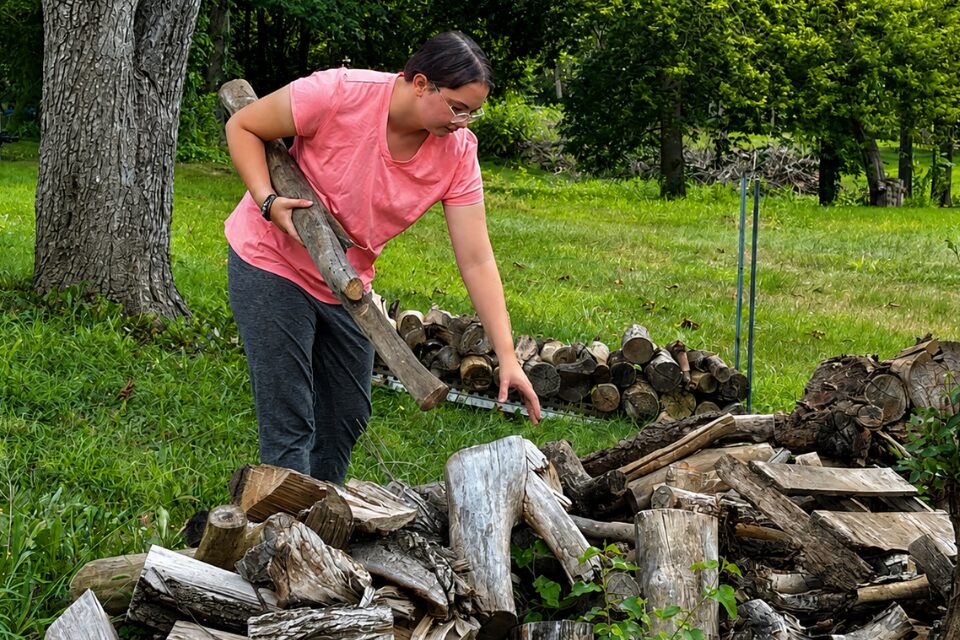
From flood survivor to project manager, Michelle Austin explains why disaster recovery is about restoring hope and dignity, not just repairing homes.
MICHELLE AUSTIN
Project Manager, After The Storm
I love spending time outdoors. I enjoy people-watching because I believe everyone has a story worth hearing. If you ask my family, they’ll likely say I’m naturally curious. I survived the floods that devastated Metro Detroit in late June 2021.
I’ve always been drawn to things that grow. Maybe that’s why this work feels so personal to me.
People grow, too. Sometimes they just need someone willing to help create the conditions for healing to begin.
When I joined After The Storm in 2022, I thought I was joining an organization that repaired homes. I quickly learned we were doing something much bigger.
After The Storm is a nonprofit created by the Michigan Conference of The United Methodist Church to help families recover from disasters. We listen to their stories, understand what’s standing in the way of recovery, and connect them with people and resources. Simply put, we walk beside families until they can begin to regain a sense of normalcy.
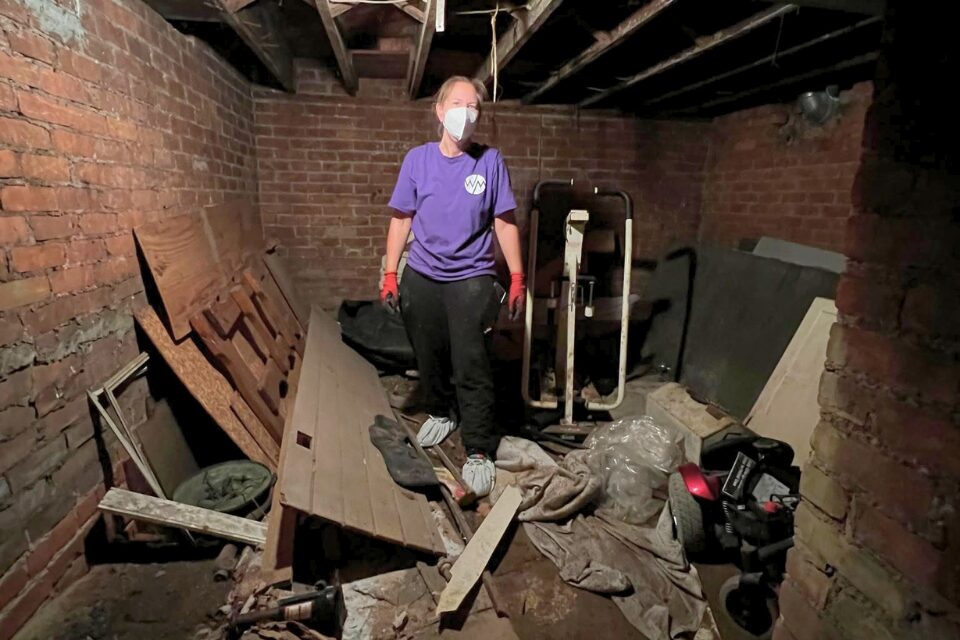
Our goal is simple: to help people move from crisis toward stability.
As a project manager, I have the privilege of leading teams that support that work every day. I work alongside disaster case managers, construction specialists, volunteers, churches, contractors, and community partners to remove barriers so families can keep moving forward.
So what does that recovery actually look like? It begins with listening.
Before we ever talk about repairs, we meet them where they are and hear their story. We learn what they’ve experienced — the trauma and the difficulties — and identify any roadblocks that keep them from getting their home and their lives back to where they should be.
Then we bring together people and resources to help them take the next step. Sometimes that’s financial assistance. Sometimes it’s volunteers. Sometimes it’s contractors. Sometimes it’s simply reconnecting someone with the hope they’ve lost.
Recovery isn’t something we do for people. It’s something we walk alongside them through.
One volunteer shared something I’ll never forget. He said, “I came to repair a porch, but I left realizing God had repaired something in me.”
That’s what living out faith in action looks like. People often think we repair homes. We do. But what we’re really doing is helping people recover. The house is only part of the story. The family is why we do the work. It changes everyone involved.
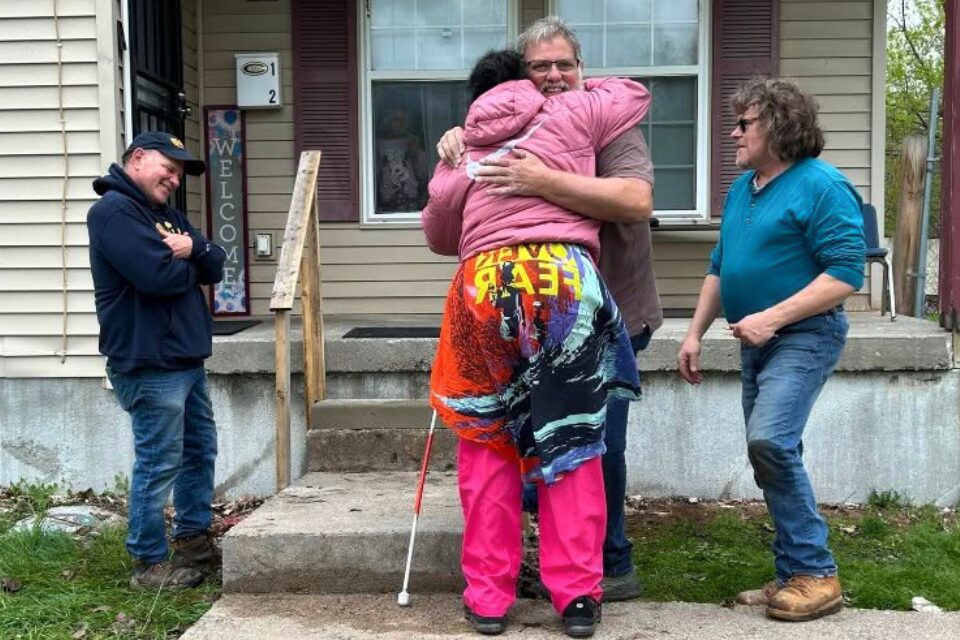
One of the biggest misconceptions about disasters is that recovery happens quickly. It doesn’t. Most disasters last a day, but recovery often takes months or years.
People often think of recovery as repairing a house. That’s certainly part of it, but recovery is really helping someone regain a sense of safety, stability, and hope. It’s helping someone feel safe enough to sleep in their own bed again. It’s helping grandparents welcome grandchildren back into their home. It’s helping a family believe tomorrow can be different from yesterday.
I’ll always remember one homeowner. After being relocated to a new home, she quietly looked around and said, “For the first time since the flood, I think I can breathe again.”
She wasn’t talking about drywall. She was talking about hope. That was the moment I realized we weren’t celebrating the end of a construction project but the beginning of normal again.
That experience changed how I see this work. Every recovery plan starts with a person. Before we even recognize the need, we meet a widow, a veteran, a family raising grandchildren, or a single parent trying to hold everything together. That’s why this work matters.
Jesus said, “Whatever you did for one of the least of these brothers and sisters of mine, you did for me” (Matthew 25:40, NIV). When you begin seeing people before projects, your perspective shifts. You stop asking, “What’s wrong with this house?” Instead, you ask, “What happened to this family?” That question changes everything.
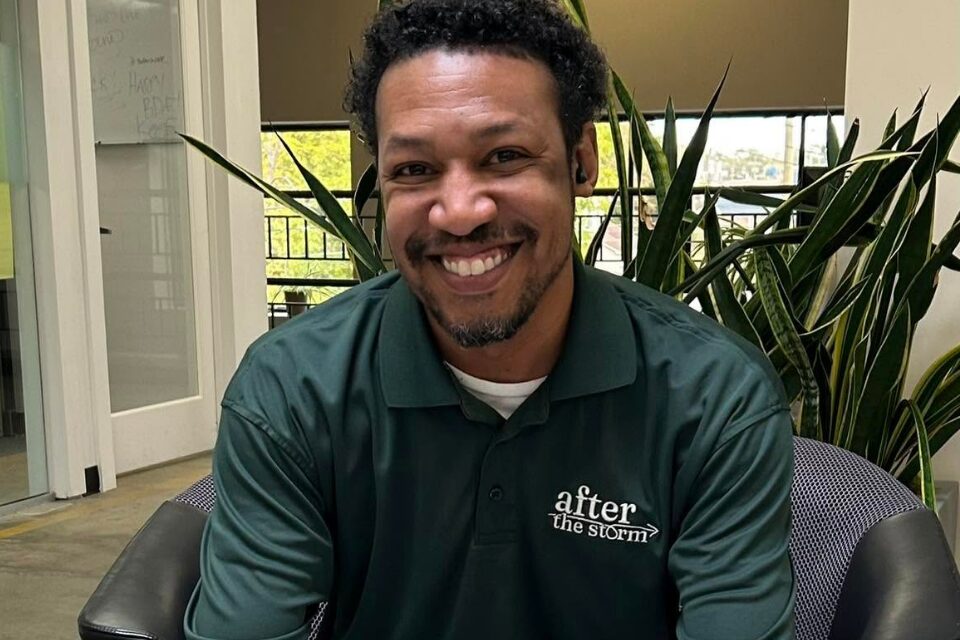
The real recovery begins after everyone else has gone home. I’ve witnessed that it’s often where we see God most clearly. I’ve seen God working through volunteers, community partners, contractors, and neighbors.
I’ve learned that God often answers prayers by sending people. Sometimes those people wear tool belts. Sometimes they wear volunteer T-shirts. Sometimes they simply knock on a neighbor’s door and ask, “How can I help?”
Living out faith in action means staying present after the cameras have gone and the dust has settled, because that’s when many families need us the most.
This work has changed how I think about service. Every inch of removed debris. Every meal delivered. Every prayer offered. Every hour volunteered. Every act of kindness. Every act of service is another opportunity to reflect Christ. Not because the task itself is extraordinary. But because the love behind it points people toward Christ.
One of the things I appreciate most about After The Storm is that no one does this work alone. Recovery is built on partnerships among a wide range of people and organizations, including retirees, teachers, mental health professionals, business owners, government agencies, and local church members in United Methodist faith communities across this state. Every one of them chooses to be the hands and feet of Christ.
I’ve learned that restoration is rarely a single big moment. It’s hundreds of small ones. A conversation. A prayer. A helping hand. A safe home. A reminder that someone hasn’t been forgotten.
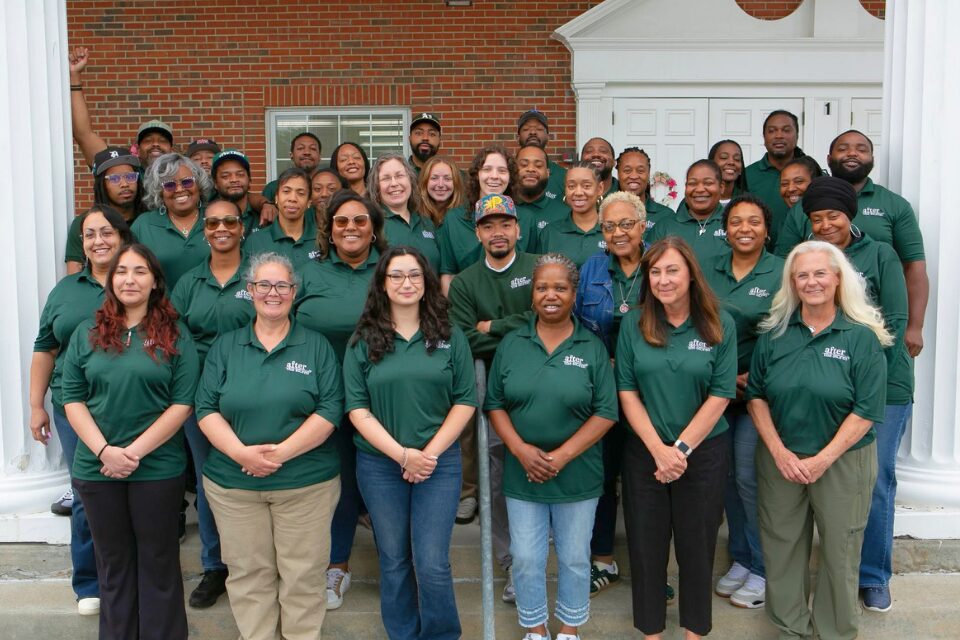
By reading this, I hope you won’t simply remember After The Storm. I hope you’ll remember that someone around you is still recovering. Who might that be? Who needs encouragement? Not every storm leaves shingles in the yard. Some storms leave behind grief, loneliness, illness, financial hardship, and fear.
Perhaps God invites you to become part of their restoration story through compassion, service, and love. Living out faith in action isn’t about doing everything. It’s about faithfully doing the next thing God places in front of us. It’s choosing to walk alongside someone until hope begins to feel possible again.
Editor’s note: This reflection was adapted from a message given at Plymouth: First UMC in Plymouth, Michigan, on Sunday, June 28, 2026.
After The Storm is an EngageMI ministry project and a nonprofit that was launched thanks, in part, to to generous financial gifts from local United Methodist churches in Michigan through Ministry Shares. Thank you! Learn about the impact of Ministry Shares on mission and ministry in Michigan and around the world.
Last Updated on August 25, 2026