
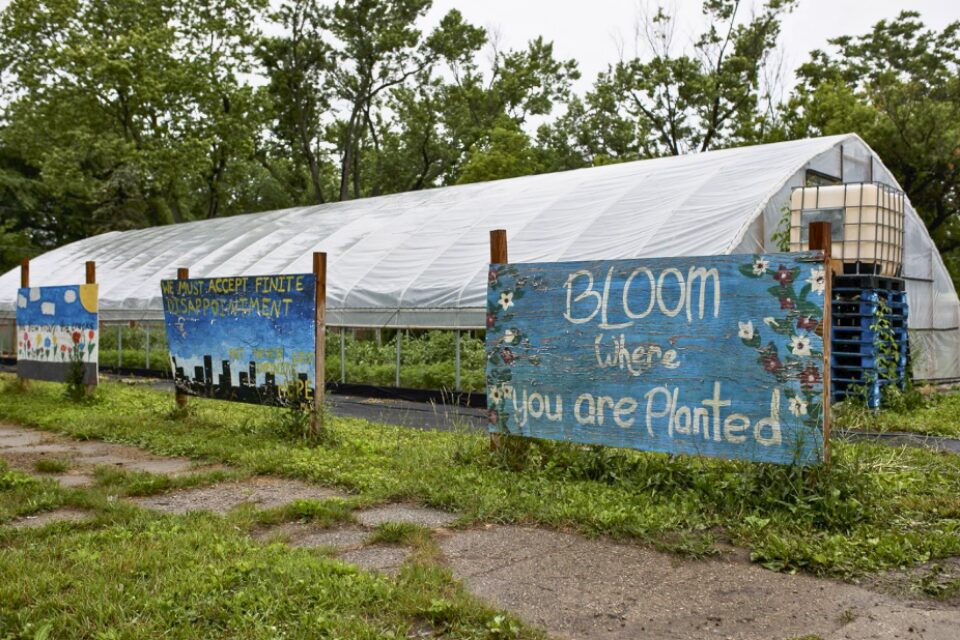
United Methodist-affiliated ministries in Flint are actively working to restore community bonds and provide fresh food to families in this community, which has been hard hit by food insecurity.
FAITH GREEN TIMMONS
Michigan Conference Communications
Editor’s note: This year’s Advocacy Day, on Wednesday, March 18, focuses on hunger and food insecurity. Register by March 1 to ensure that appointments with legislators can be confirmed. Then, prepare to thank them for supporting state funding to reduce hunger in Michigan.
For the past decade, Flint has faced severe food insecurity, yet community efforts, including projects connected to several United Methodist local churches, have shown resilience. The north side of Flint was declared a food desert by the USDA in 2014. The lack of major grocery stores leaves residents with few shopping options besides local convenience stores. Those independent mom-and-pop stores are not considered adequate suppliers of fresh fruits and vegetables or quality meats people need, especially families with children. Widespread community deficiencies like this underscore the importance of advocacy, inspiring hope that collective action can lead to progress.
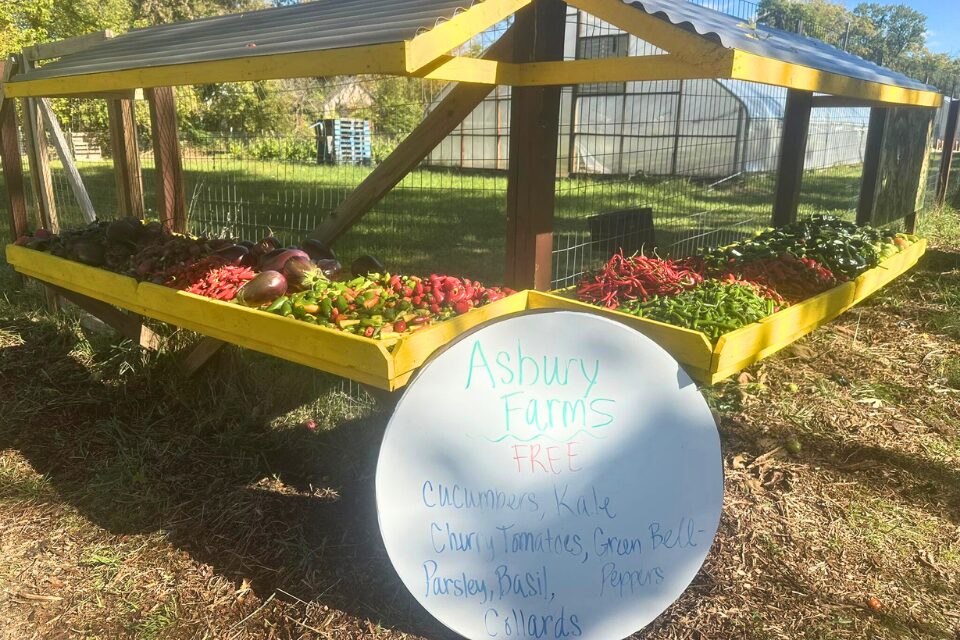
Addressing food insecurity directly affects nearly 2 million people across this state. There are at least 19 distinct areas in Detroit alone designated as food deserts. Dire needs also exist in the western and central regions of the Upper Peninsula, as well as in Muskegon and Saginaw. These low-income areas have limited access to nutritious food. Usually, food deserts are defined as areas with no grocery stores within a mile in an urban setting. Thankfully, ministries that recognize this challenge are creating ways to meet critical nutritional needs, emphasizing our shared responsibility to support these efforts.
Urban gardening involves cultivating edible crops and fostering community relationships. Ministries such as Asbury Farms, a vital component of the Asbury Community Development Corporation with connections to Flint: Asbury UMC, are actively restoring community bonds and providing fresh food to Flint families. In an effort to promote health and wellness, this Michigan Conference EngageMI ministry partner has transformed underutilized land into a thriving quasi-farm in the city’s most underserved area.
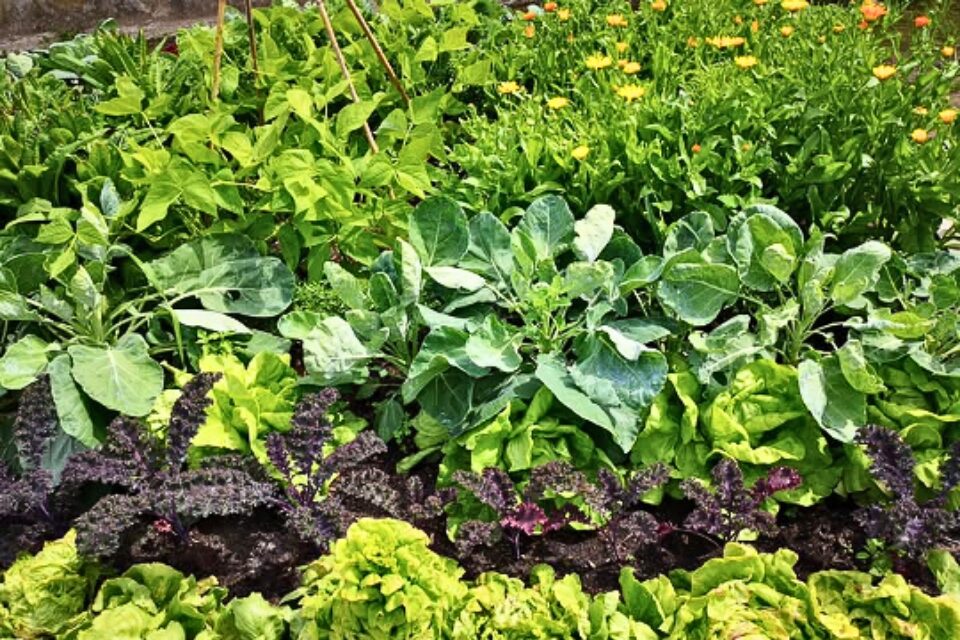
A key feature of Asbury Farms is its year-round operation, enabling continuous cropping. Asbury Farms uses hoop houses, or high tunnels, as a low-cost, low-tech alternative to traditional greenhouses. These semi-permanent, arched structures are covered with greenhouse-grade plastic. With solar-powered irrigation and winterization, Asbury Farms extends its growing season to 12 months, making many families in Flint proud of their community’s resilience and progress.
Rising costs and a lack of nutritious options make ministries like Asbury Farms crucial. On the other side of the Flint River, Hasselbring Senior Center, now housed inside Flint: Calvary UMC, offered a free store featuring a wide range of colorful fruits and vegetables. As a personal project, Logan Reed, a Flint-area twelfth-grader, established a free produce pantry, complete with commercial-grade refrigerated glass display units filled with a vibrant array of healthy offerings. Watch this Instagram video to learn more. While modest in scope, it was a generous undertaking, beautifully laid out and strikingly comparable to any Whole Foods grocery store.
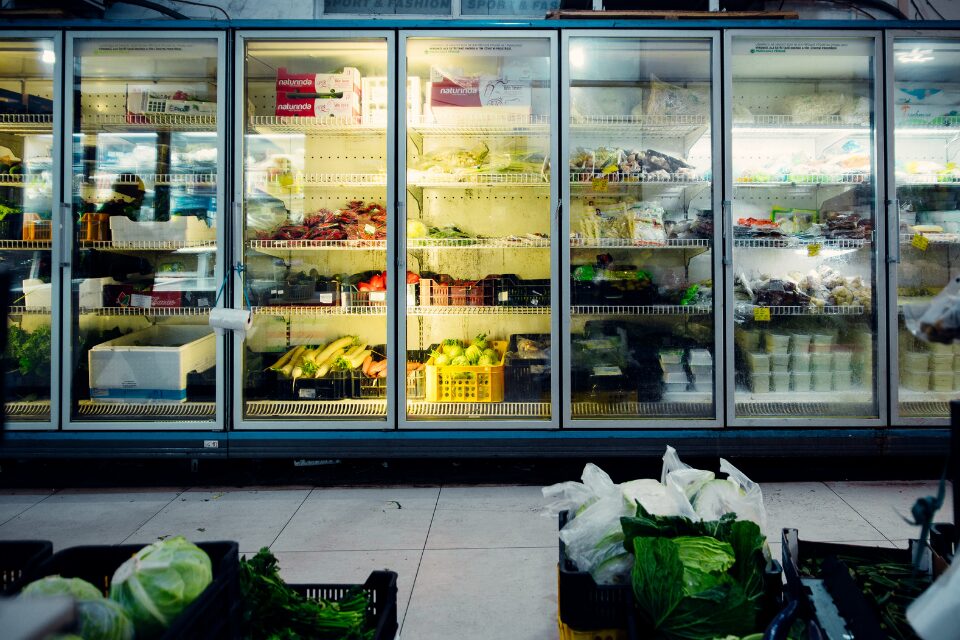
In addition to securing food and restocking groceries he planned to give away, Logan consistently dedicated Fridays to serving up to 12 clients by appointment. Supported by funding from the Community Foundation of Greater Flint and the J. A. Grifols Foundation, Logan met personally with people as they planned their upcoming meals, using the wide array of provisions he creatively helped make available through grants. This project complements longstanding feeding ministries hosted by faithful volunteers at Flint: Bethel UMC and Flint: Calvary UMC for well over a decade.
What is your local church’s story? How has your feeding ministry made an impact in your community? Come to Lansing for Advocacy Day on Wednesday, March 18, and share your story with your state senator and representative. Then, thank lawmakers for their past support and encourage further involvement, which can foster a sense of shared purpose and hope, inspiring continued commitment to projects like these that are improving food security statewide.
Learn more about this year’s Advocacy Day topic and register to join us on March 18.
The publication of this article was made possible thanks to generous financial gifts from local United Methodist churches in Michigan through Ministry Shares. Thank you! Learn about the impact of Ministry Shares on mission and ministry in Michigan and around the world.
Last Updated on March 4, 2026